
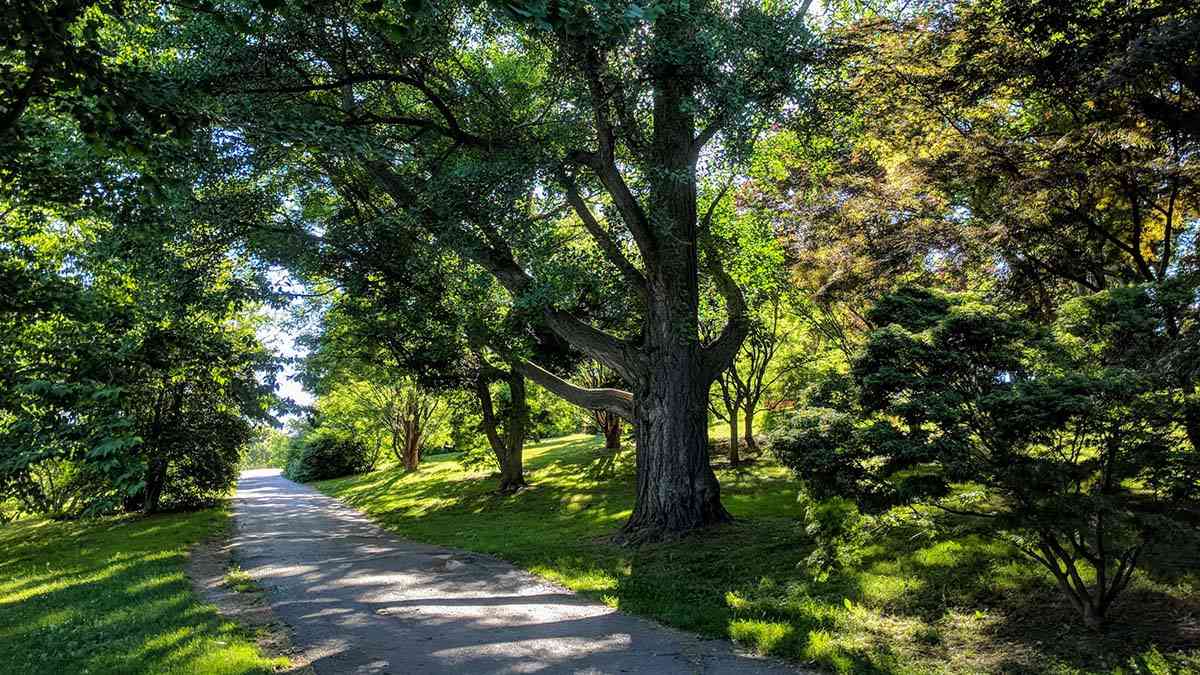
Rochester, New York, is one of a small number of American cities shaped by a unified park vision from Frederick Law Olmsted, the most influential landscape architect in U.S. history. Designed in the late 19th century, Rochester’s park system reflects Olmsted’s belief that access to nature is not a luxury, but a public necessity—essential to physical health, mental well-being, and civic life.
Today, these parks remain deeply woven into the city’s identity, offering places to walk, gather, reflect, and reconnect with the landscape.
Want to explore Highland Park more deeply?

Highland Park
by Debi Bower
Now available—just in time for spring in Highland Park. Explore Frederick Law Olmsted’s living landscape in Rochester, New York.
Prefer digital? Get the ebook on Amazon or Kindle Unlimited. By April 26—Frederick Law Olmsted’s birthday—the hardcover and paperback will be available through more booksellers.
The Olmsted Vision in Rochester

Often called the father of American landscape architecture, Olmsted helped define what public parks could—and should—be. Working with partners including Calvert Vaux, he designed landscapes that balanced beauty with function, accessibility with intention.
In Rochester, Olmsted and his firm designed four major parks:
Together, these spaces formed the backbone of Rochester’s park system—one designed to serve residents across neighborhoods and generations.
A Connected Landscape

Three of Rochester’s Olmsted parks—Genesee Valley, Seneca, and Maplewood—are linked today by the Genesee Riverway Trail, creating miles of continuous greenway for walking, cycling, and quiet observation along the river.
This sense of connection was no accident. Olmsted believed parks should function as a system, not as isolated destinations—a radical idea at the time, and one that still shapes how Rochester moves through its landscape.
The Parks, One by One
Highland Park
Olmsted was initially hesitant to design Highland Park, citing the absence of natural water features he often relied on. Ultimately, he accepted the commission, shaping a landscape defined by rolling topography, deliberate paths, and horticultural display rather than scenery alone.
The park’s character was further enriched by the generosity of Ellwanger & Barry, whose Mount Hope Avenue nursery supplied land, trees, and plantings. Their contributions helped establish Highland Park as a horticultural destination—one that continues today through the annual Lilac Festival and the park’s living collections.
Plans are underway to rebuild the historic Children’s Pavilion, demolished in 1963, as part of ongoing stewardship by the Highland Park Conservancy.
Genesee Valley Park
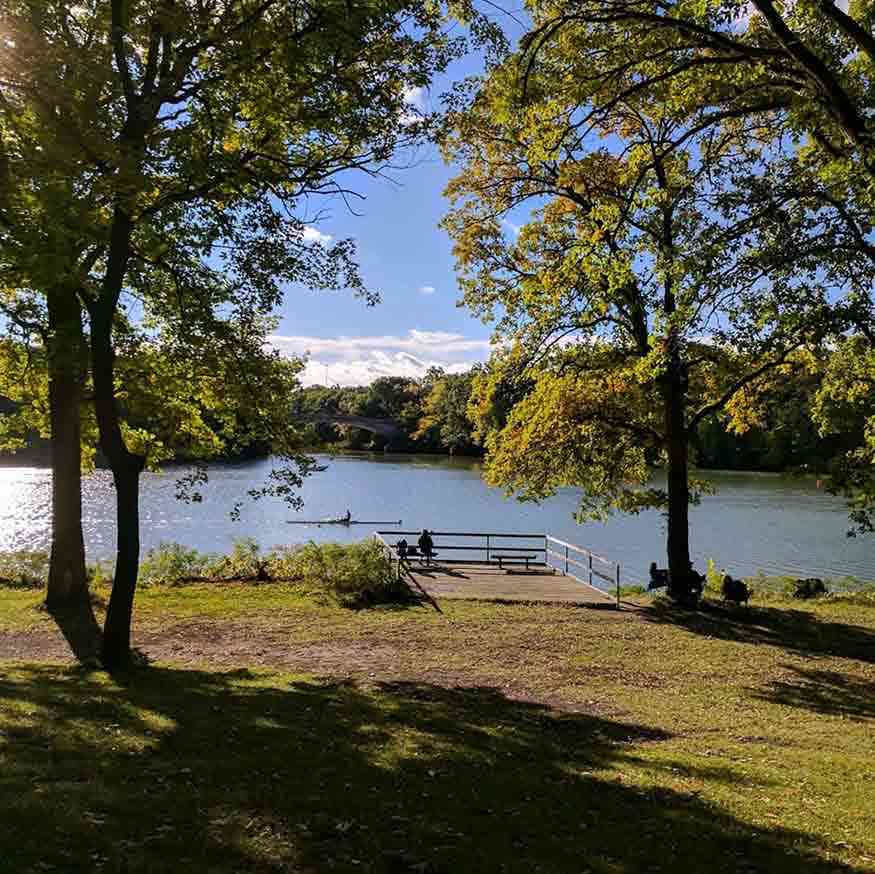
Originally called South Park, Genesee Valley Park was designed in 1888, when the Erie Canal still cut through Rochester’s downtown. Olmsted’s open meadows—modeled after his iconic Sheep Meadow in Central Park—were later adapted into one of the nation’s earliest public golf courses in 1899. In 1918, John Charles Olmsted added the stone bridges that remain some of the park’s most beloved features today.
Rochester, delivered
A weekly Substack newsletter, with periodic essays exploring behind-the-scenes work and reflections on traveling close to home. While the content is free, paid subscriptions support my ongoing research and writing.

Seneca Park
Originally part of what was known as North Park, Seneca Park emerged from Frederick Law Olmsted’s 1888 plan for Rochester as a broad, pastoral landscape shaped by the Genesee River. Sweeping lawns, gently curving drives, and long views were intended to create a sense of openness and calm—an intentional counterpoint to the city’s growing density.
Seneca Park was designed to invite movement and leisure rather than spectacle. Its layout encouraged walking, carriage rides, and quiet enjoyment of the river corridor. Over time, the park evolved to include cultural and recreational features, yet its underlying structure still reflects Olmsted’s emphasis on restorative scenery and accessible green space.
Maplewood Park
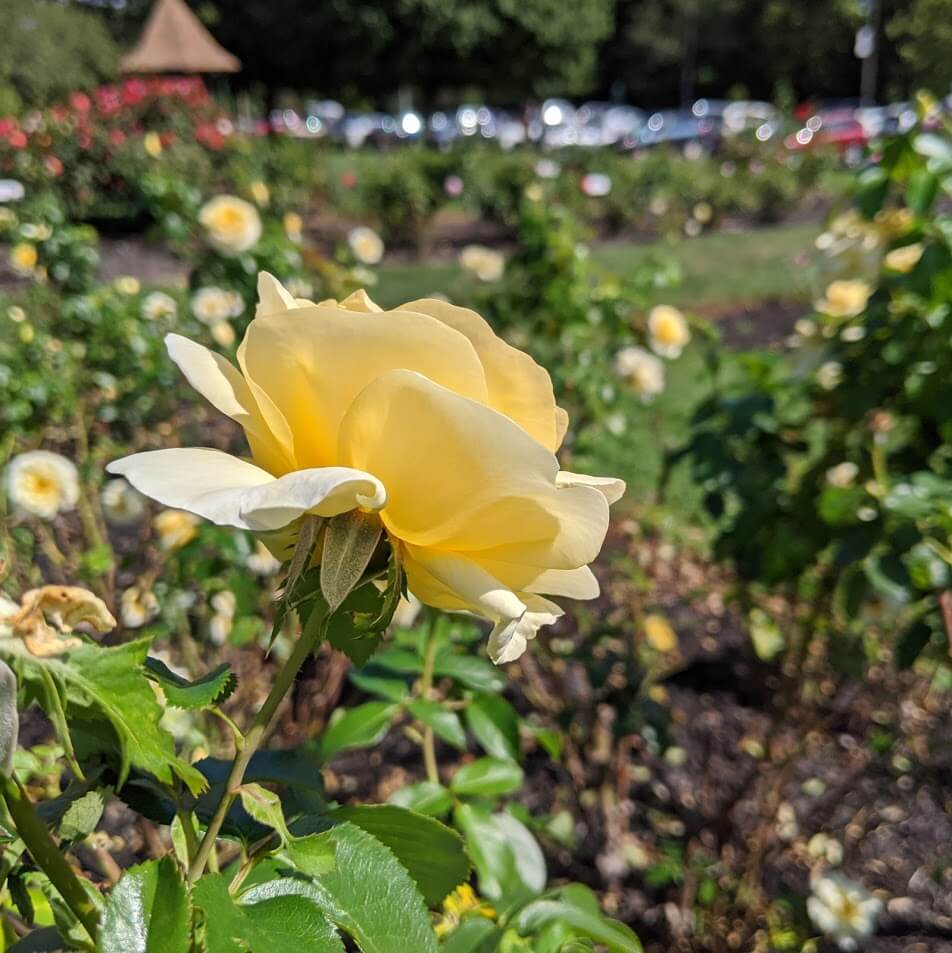
Originally part of what was known as North Park, Maplewood Park was conceived alongside Seneca Park as part of Frederick Law Olmsted’s 1888 plan for Rochester’s park system. Over time, the two landscapes became administratively distinct, shaped by different terrain and patterns of use.
Situated on the west side of the Genesee River, Maplewood Park reflects a more dramatic expression of Olmsted’s design philosophy. Steep slopes, wooded areas, and elevated overlooks replace the broad pastoral meadows found in Seneca Park. Winding paths and river-facing viewpoints encourage pauses—moments to look outward and experience the gorge as a defining element of the park.
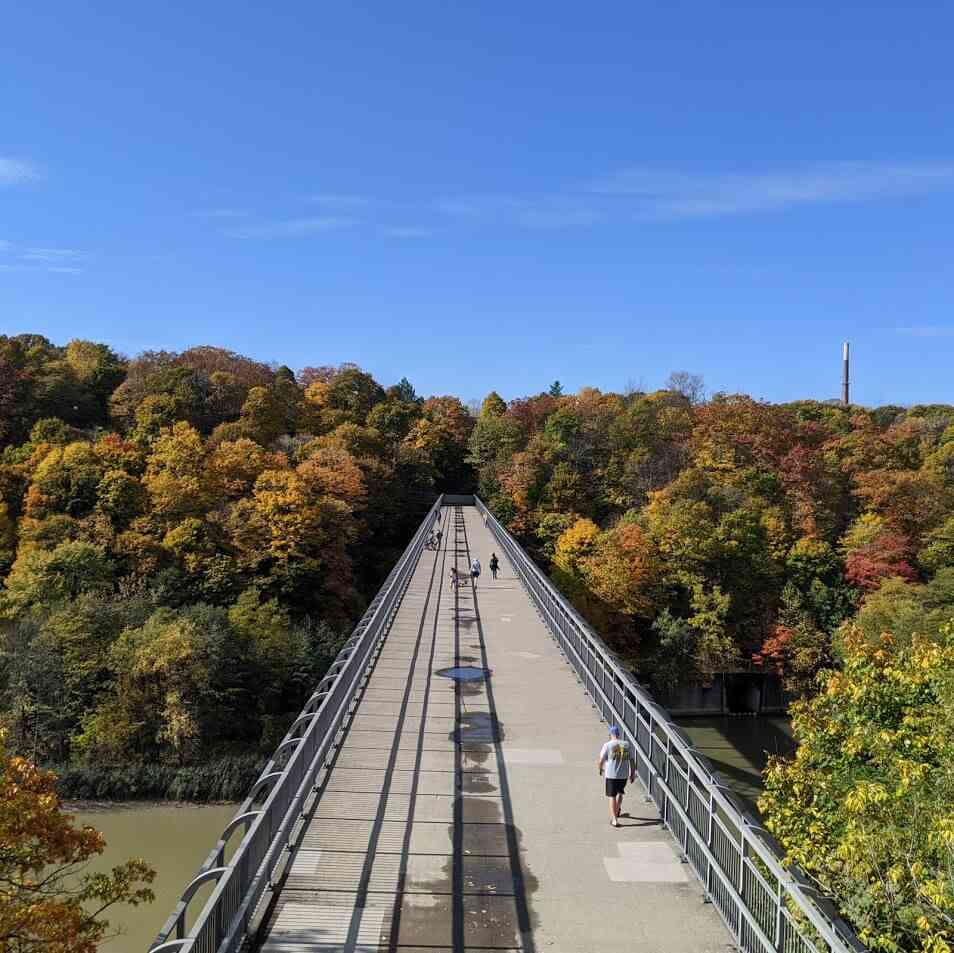
Today, Maplewood and Seneca Parks are physically linked by the Pure Waters Pedestrian Bridge, reinforcing Olmsted’s enduring vision of parks as a connected system rather than isolated destinations. The bridge allows visitors to move easily between the two landscapes, experiencing their contrast—and continuity—on foot.
The University of Rochester Arboretum
Olmsted also contributed to the University of Rochester’s landscape, designing the oak-lined River Walk along the Genesee. Today, the university’s arboretum encompasses more than 1,400 trees representing 116 species across multiple campuses and has earned national recognition as a Tree Campus.

Beyond the Major Parks: The Olmsted Firm in Rochester

After Frederick Law Olmsted’s retirement, the Olmsted firm continued shaping Rochester’s public spaces, completing more than 25 additional projects across the city. These included the design and refinement of neighborhood squares such as Susan B. Anthony Square, Washington Square, Brown Square, Jones Square, Lunsford Circle, and Schiller Park—small but intentional landscapes woven into the surrounding neighborhoods.
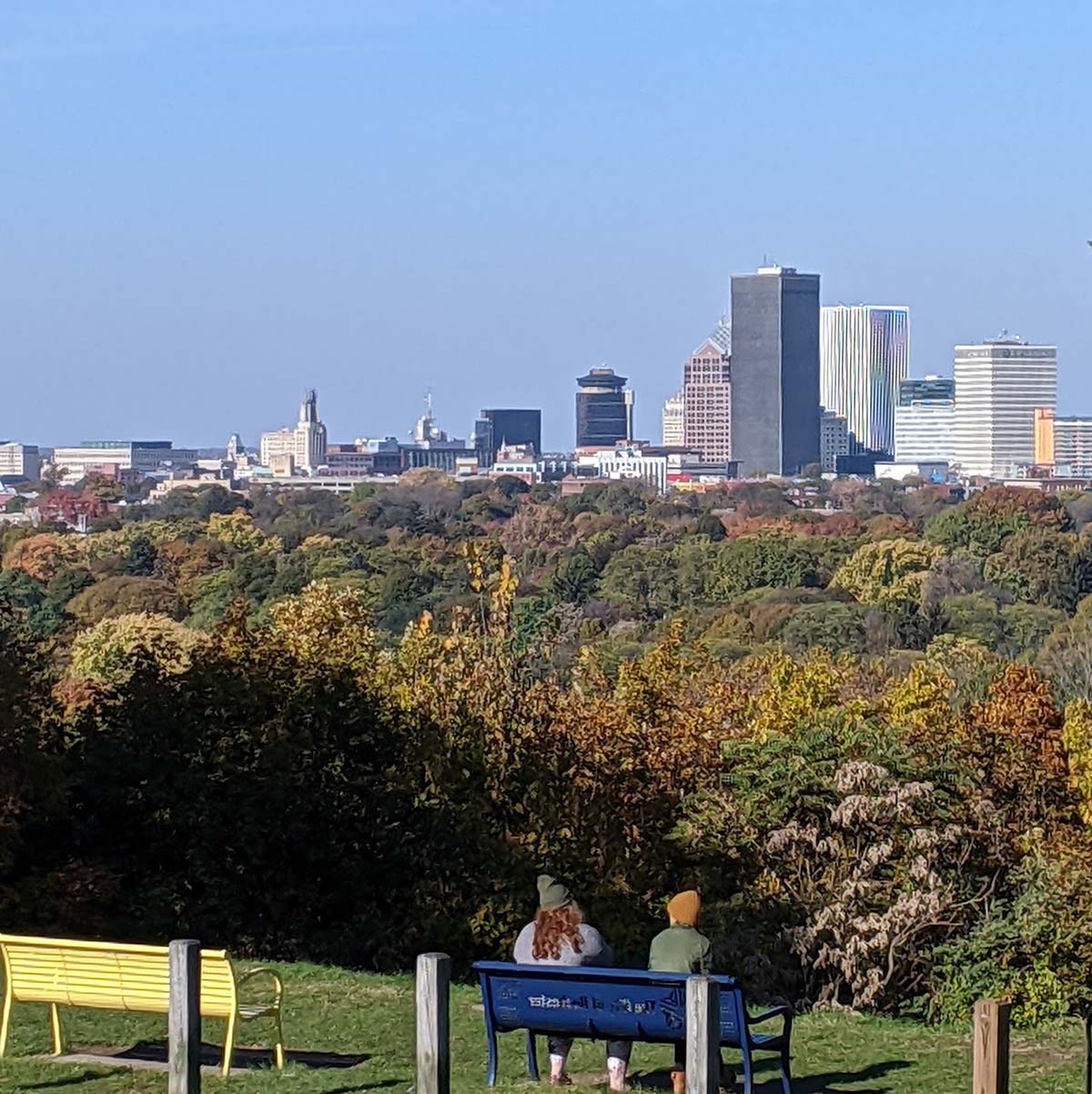
The firm also designed parkways and the carefully considered infrastructure surrounding Cobb’s Hill Reservoir, including walkways, steps, iron fencing, and overlooks. These elements were deliberately arranged to preserve unobstructed views of the city, reinforcing the idea that even utilitarian spaces could offer beauty, access, and moments of pause.

A Legacy Worth Celebrating
Each year on April 26, Frederick Law Olmsted Sr.’s birthday, Rochester’s park system offers a quiet reminder of what thoughtful planning can accomplish. As the City of Rochester notes, it is rare and fortunate to inherit an entire park system designed by one of the most respected figures in American landscape history.
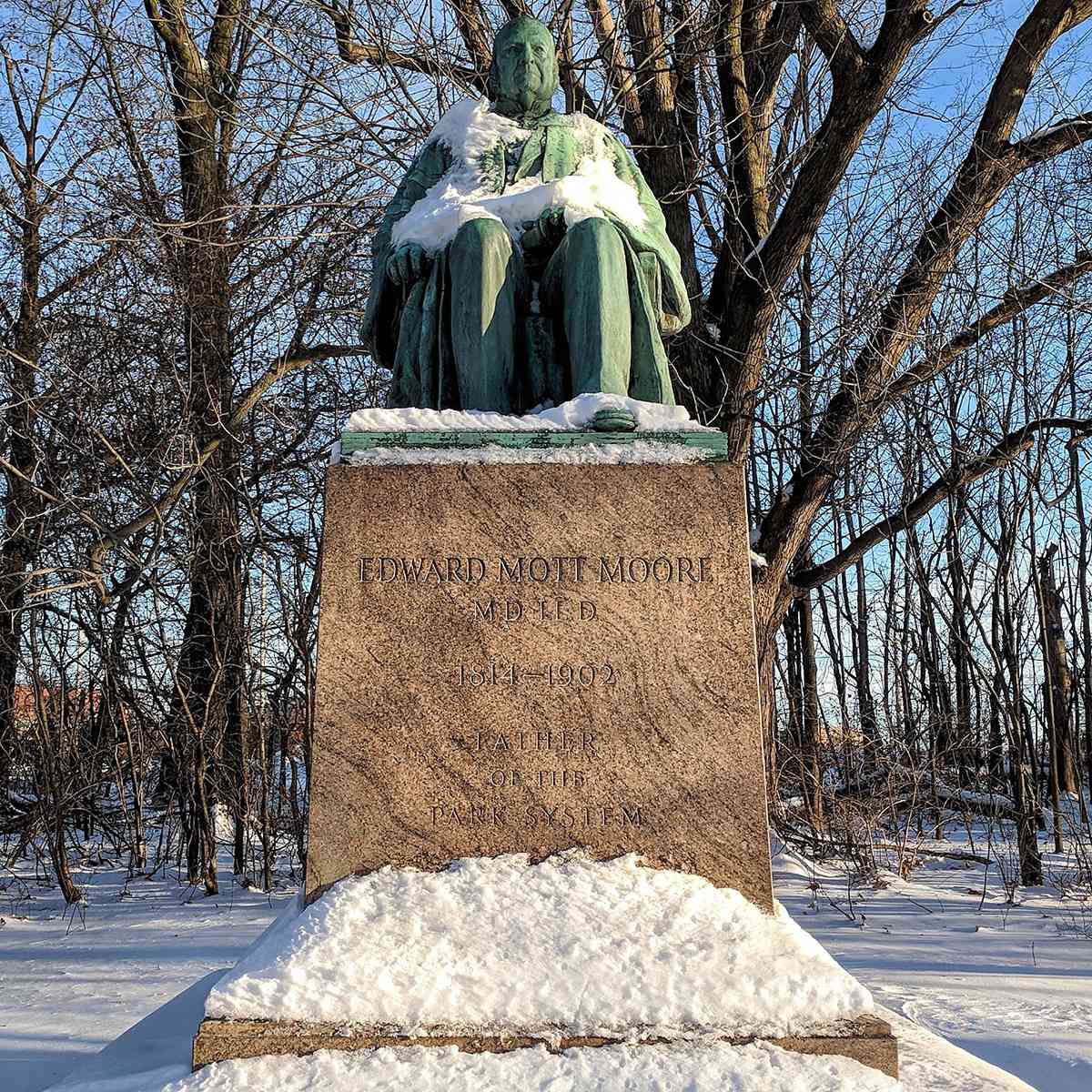
Equally important is recognizing the local visionaries who brought Olmsted to Rochester, including Edward Mott Moore, often called the father of Rochester’s park system, whose legacy continues in our parks today.
These landscapes are not relics. They are living spaces—still doing the work Olmsted intended.
Learn More & Get Involved

- Highland Park Conservancy
- Rochester Olmsted Parks Alliance
- National Association for Olmsted Parks
- Rochester Public Library:
- Olmsted and America’s Parks video
- Frederick Law Olmsted, Designing America video series
- Designing Western New York video
Tip: If you use Google Maps on your phone, you can add Rochester’s Olmsted parks as a custom map layer to explore them in context.
Explore More
Which are your favorite Frederick Law Olmsted-designed parks?
I’d love to hear from you—please share your thoughts and experiences in the comments below.


Help Support My Work
People often ask if I get free access to the places I visit. The answer is no—unless I’m invited to a special preview or offered behind-the-scenes access through my media role. Most of the time, I don’t even mention Day Trips Around Rochester, New York when I visit a place. I want to have the same experience you would.
I create and share this content because it brings me joy—and I hope it adds value to your adventures, too.
If my work has helped you explore and appreciate the Rochester area, please consider becoming a paid subscriber on Substack. You’ll receive an email whenever I publish new content and have the chance to connect with a growing community of local explorers.
Thank you for supporting my efforts to keep producing meaningful and helpful content.
Thank you!
Debi
Enjoy the Journey Together!


We are BLESSED to have so many beautiful parks in our area.