
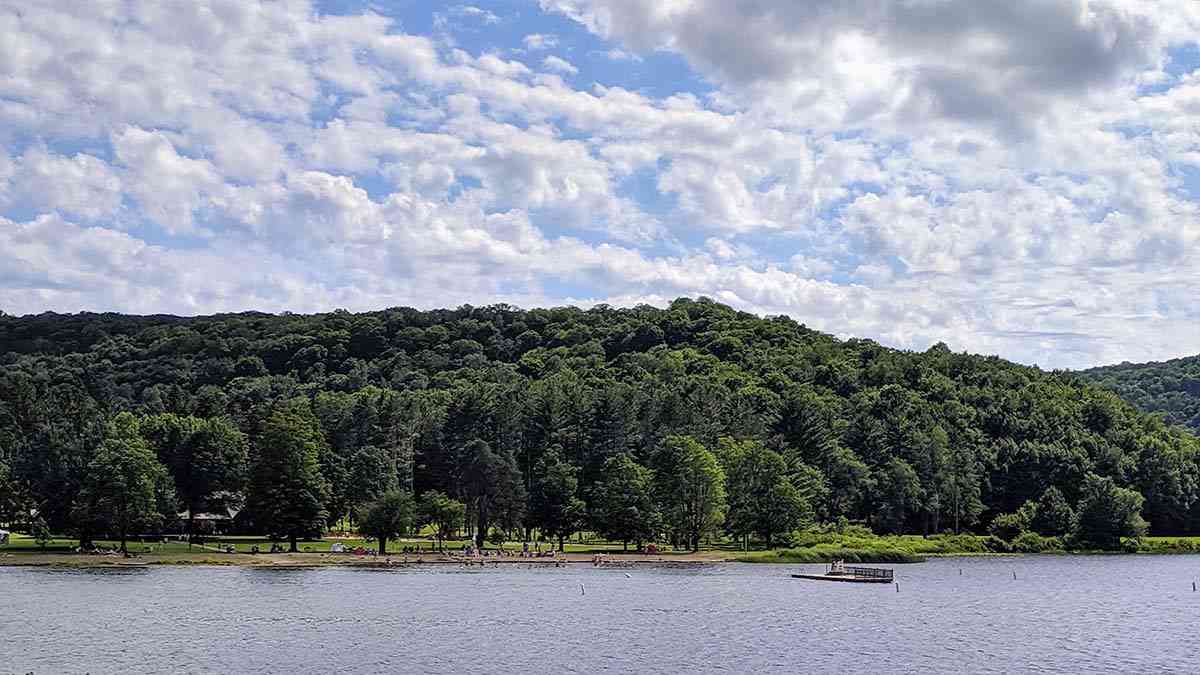
Allegany State Park spans 65,000 acres of forest, hills, lakes, streams, and developed recreation areas along New York’s Southern Tier. It is New York’s largest state park, and its scale is part of the experience: this is not a place to cover in a day.
For a first day trip, choose one section of the park and leave room for a few scenic stops. The Red House Area is the easiest place to start, with the park’s Administration Building, natural history museum, lake, beach, paved path, and boat and bike rentals all in one area. The Quaker Area has its own lakes, beach, museum, picnic areas, and trail network farther south.
Summer is well-suited for combining a walk, a swim, a paddle, or a picnic. In fall, the higher elevation and a broad mix of hardwoods bring color to the hills earlier than in many places closer to Rochester. Either season can fill several day trips, especially once you begin adding trails and landmarks beyond the two main developed areas.
Enter Through Salamanca
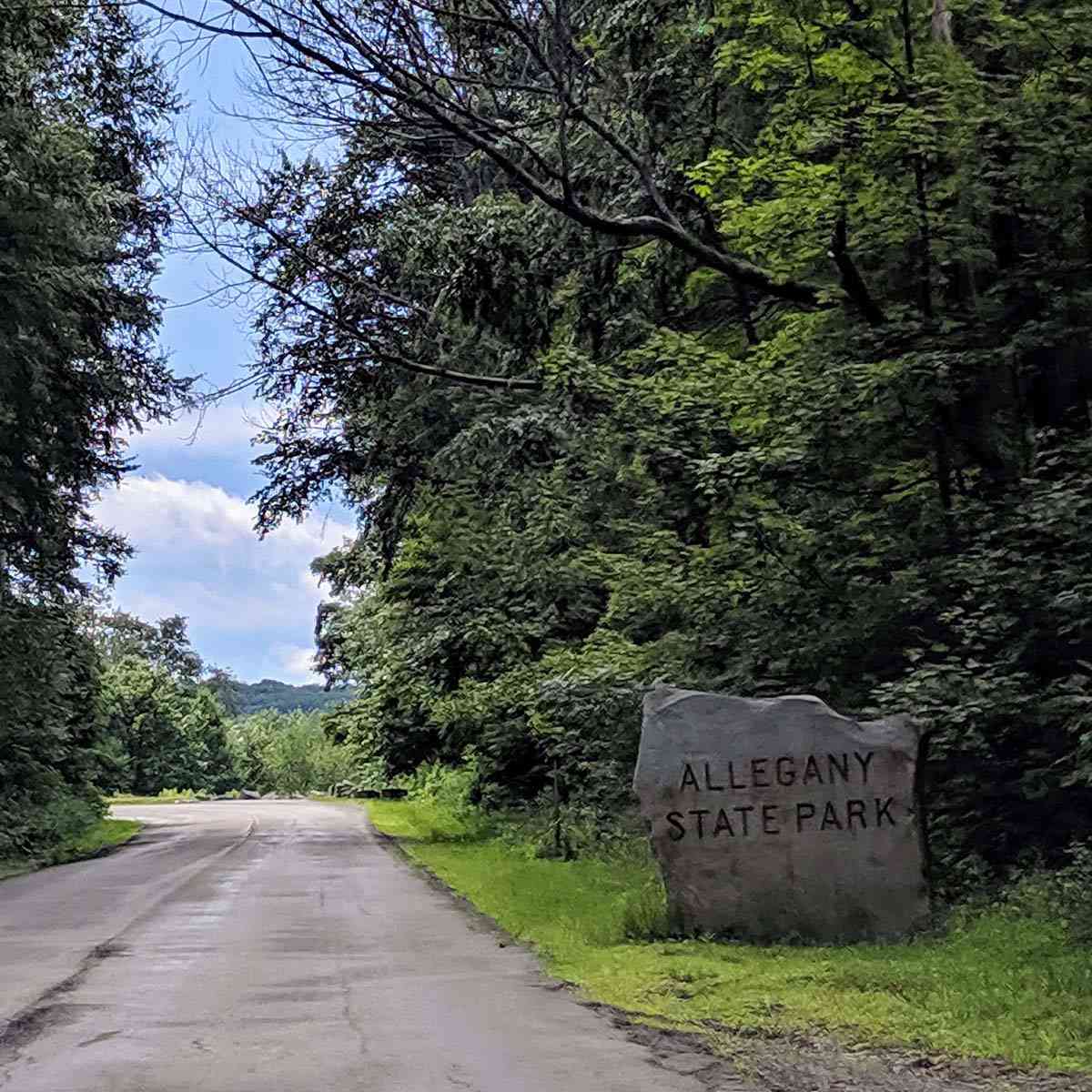
Salamanca is the northern gateway to Allegany State Park and the community listed in the park’s mailing address. The city lies within the Allegany Territory of the Seneca Nation, which follows the Allegheny River from the Pennsylvania border to Vandalia. That geography is important context for the approach: the park does not stand apart from the surrounding communities and history.
For a first visit, enter through the Red House entrance at I-86 Exit 19 for the most direct route to the Administration Building and Red House Lake. At the end of the day, follow ASP Route 1 north and leave through the Summit entrance at Exit 21 near Salamanca. This creates a loop through the park and positions you for the drive north to Ellicottville for dinner.
Secondary roads lead to landmarks, trails, cabin areas, and campgrounds. Keep the official park map handy: distances are substantial, some access roads are seasonal, and travel on winding roads can take longer than expected.
If you want to learn more about the Seneca people and the Allegany Territory, consider making a separate visit to the Seneca-Iroquois National Museum at the Onöhsagwë:de’ Cultural Center rather than squeezing it into an already full park day. Check the museum’s current hours before traveling.
Make Red House Your Home Base

The Tudor-style Red House Administration Building is a helpful first stop for orientation. It houses park offices and the Red House Natural History Museum, where exhibits introduce the landscape and wildlife you may encounter. The building also houses the Red House Restaurant and a gift shop, so you can buy lunch or pick up a park souvenir without leaving the Red House Area. Restaurant and shop hours vary, so check the current Allegany Hospitality schedule before relying on either. Pick up current park information here and confirm trail, road, rental, and swimming conditions before heading farther into the park.
Red House Lake is the focal point of this part of the park. A paved path circles the lake, connecting the Administration Building with the beach, picnic areas, and other facilities. The full loop is about five miles, but it is easy to walk or bike a shorter section and turn around. In summer, you can also swim during guarded beach hours, fish, or rent a kayak, canoe, paddleboard, or bicycle when rentals are available.
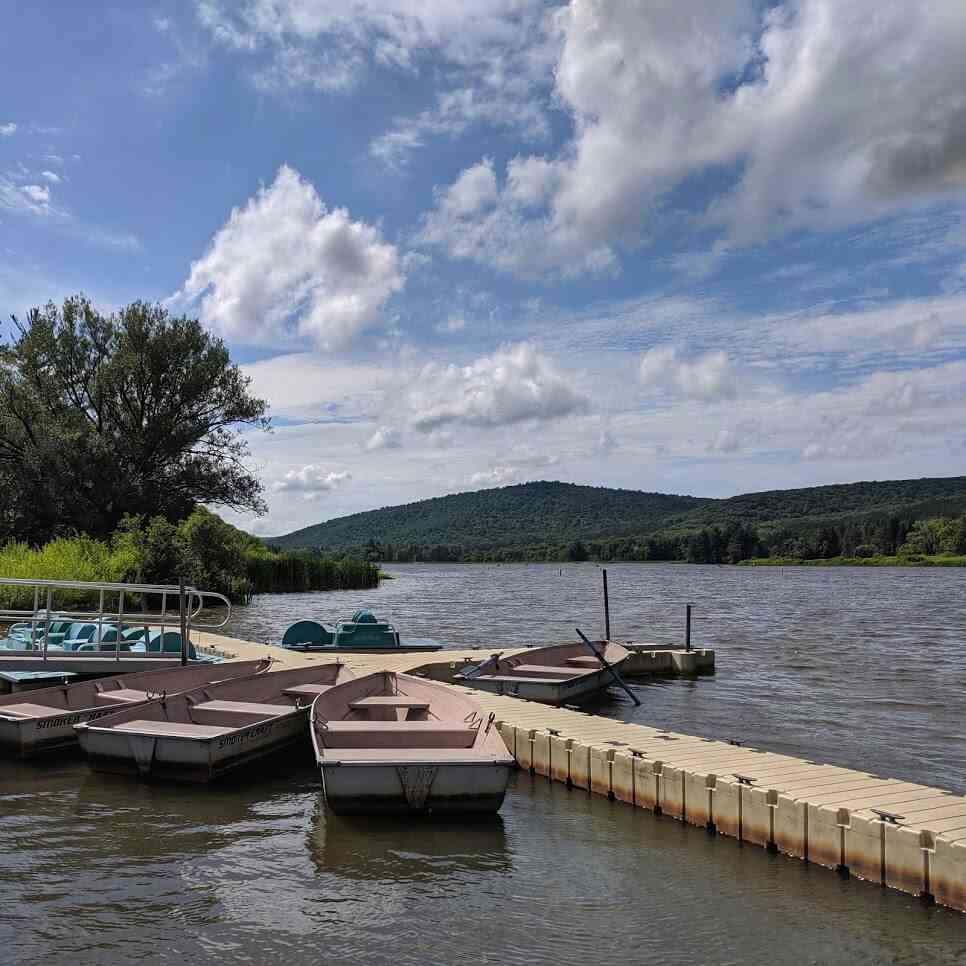
The lake makes a practical home base for a first visit: arrive in the morning, explore the museum, walk or ride along part of the shoreline, and have a picnic before driving to Thunder Rocks and the Stone Tower. That is already a full day without trying to reach the Quaker Area.

Explore Thunder Rocks
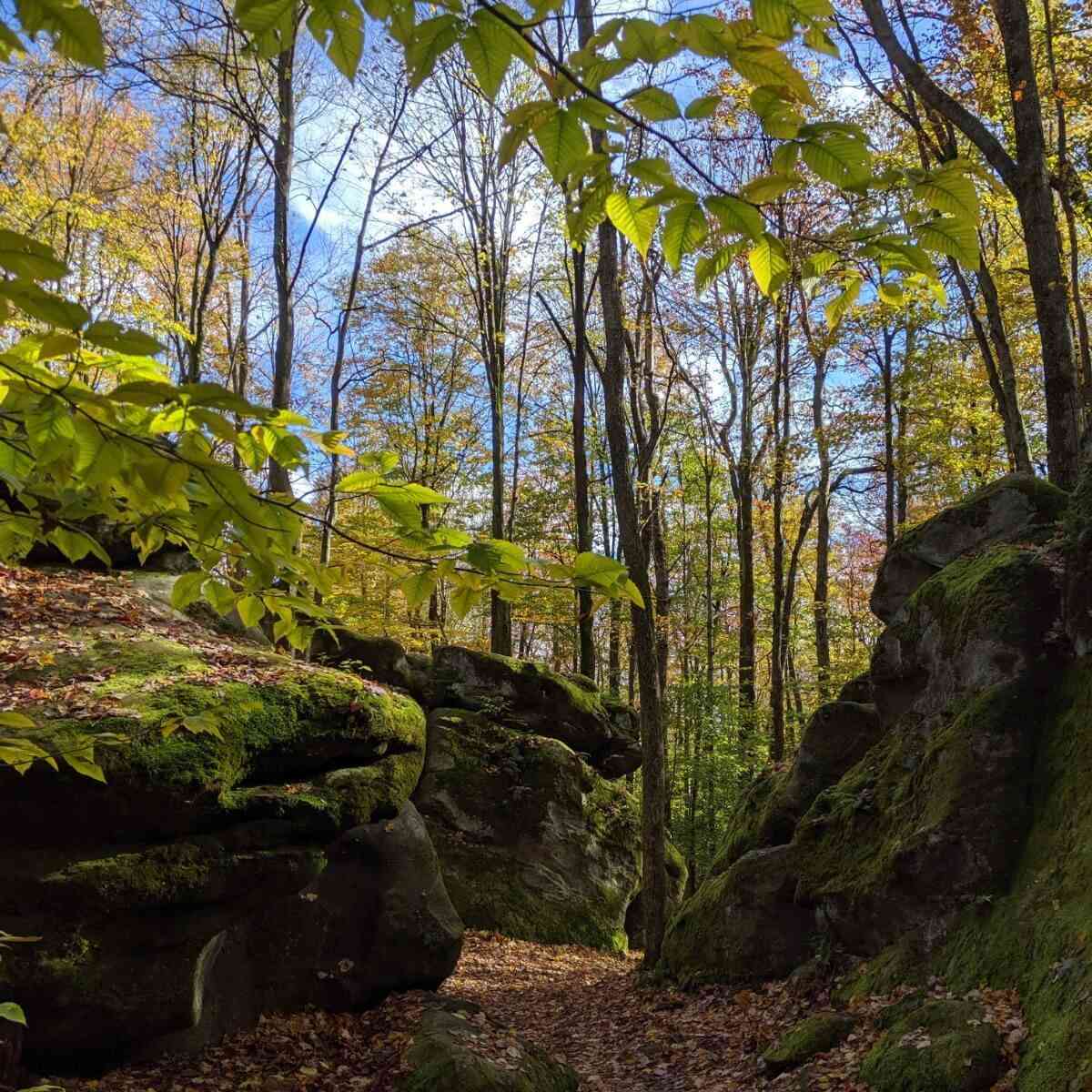
Thunder Rocks is a cluster of enormous conglomerate boulders, exposed and shaped by erosion and weathering. The formation was not deposited by the last glacier; this part of the Allegheny Plateau lay beyond the glacier’s reach. Instead, natural fractures divided the bedrock into blocks, and erosion gradually opened the passages visible today.
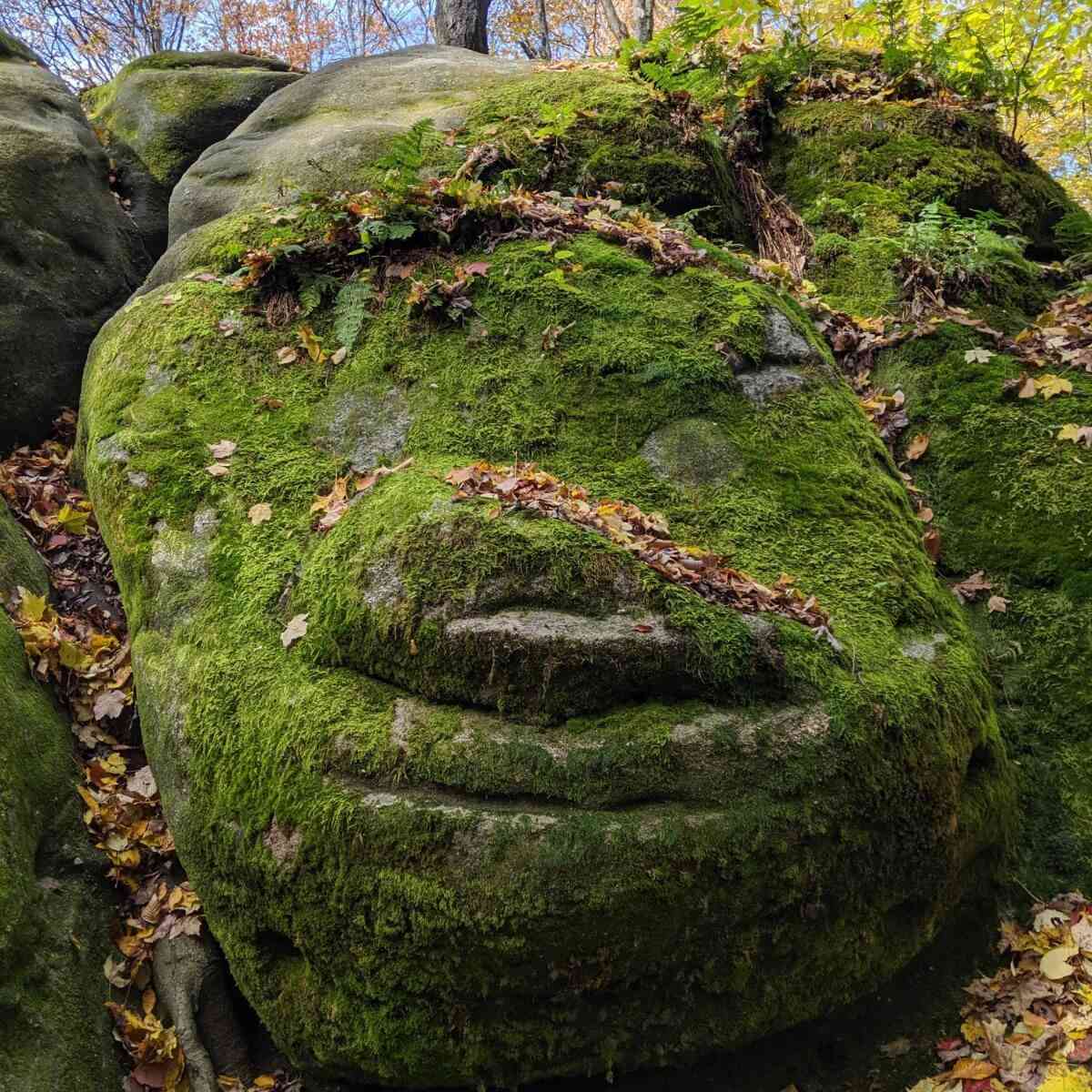
Walk among the boulders and look for the animal-like profiles that generations of visitors have named—a gorilla, whale, frog, and turtle, among others. I have affectionately named the boulder pictured above “Shrek.” Mosses, ferns, and plants more typical of the Appalachians grow in the cool, shaded spaces. Wet leaves and stone can be slippery, and the gaps between boulders are uneven, so sturdy footwear and close supervision of children are advisable.
Thunder Rocks is one of four notable “rock cities” in Western New York. Each offers a distinct way to experience the region’s great masses of conglomerate:
- Rock City Park in Olean has a maintained trail through towering formations, along with an admission fee, a museum, and a gift shop.
- Little Rock City in Rock City State Forest near Little Valley is a more rugged, undeveloped public site. There is no fee to enter, but the unpaved, winding road to reach it is long.
- Panama Rocks near Panama has deep passageways and a privately operated trail with admission.
Together with Thunder Rocks, they can form a small series of day trips rather than a single overpacked route. Rock City Park is the most natural geographic companion to Allegany State Park, while Little Rock City pairs well with a visit to Ellicottville.
Drive to the Stone Tower
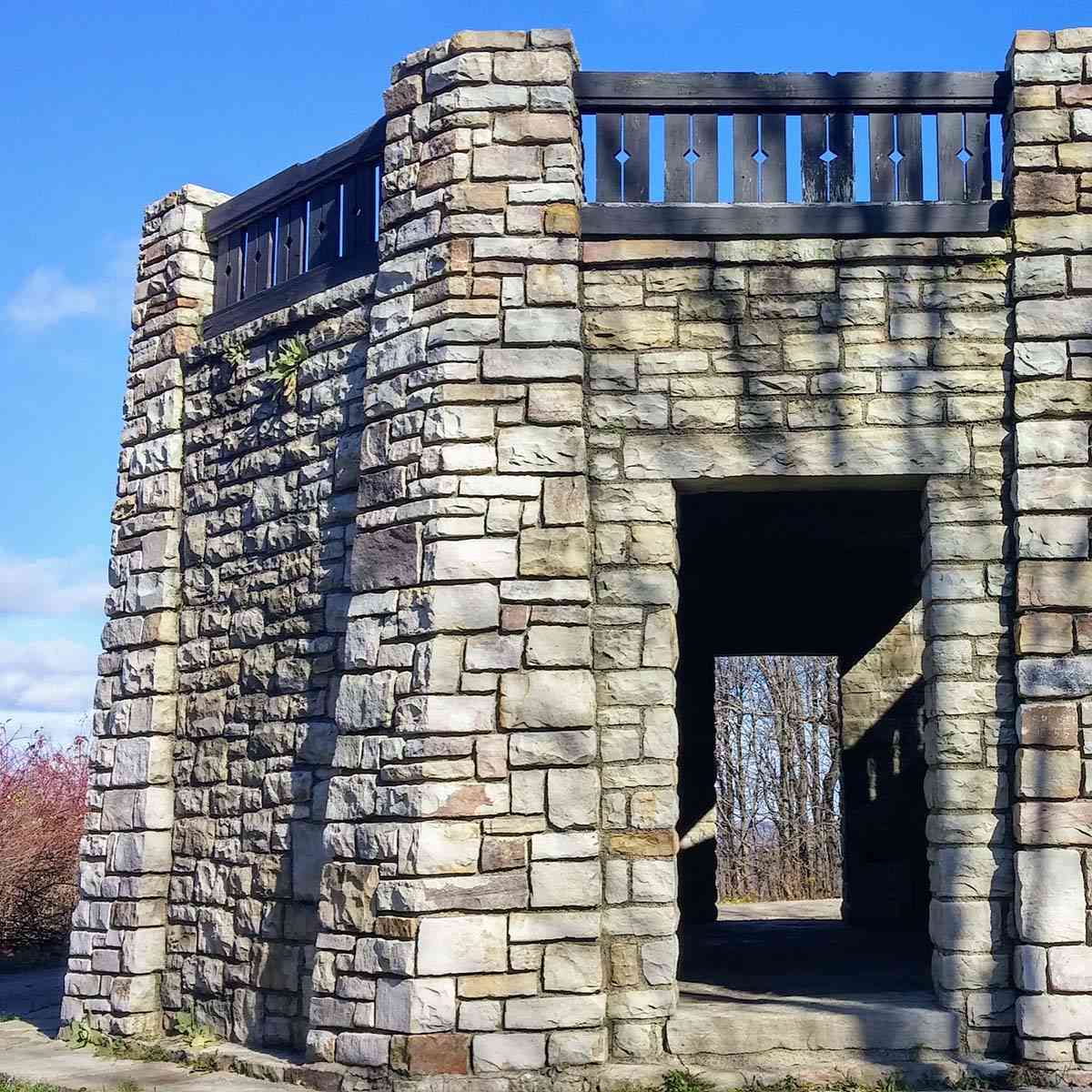
Built from local stone, the Stone Tower stands atop a high point above the surrounding forest. The overlook is especially useful in fall, when layers of hardwood-covered hills shift from green to yellow, orange, russet, and red. Even when the foliage is not at its peak, the drive between Red House, Thunder Rocks, and the tower reveals how much land the park encompasses.
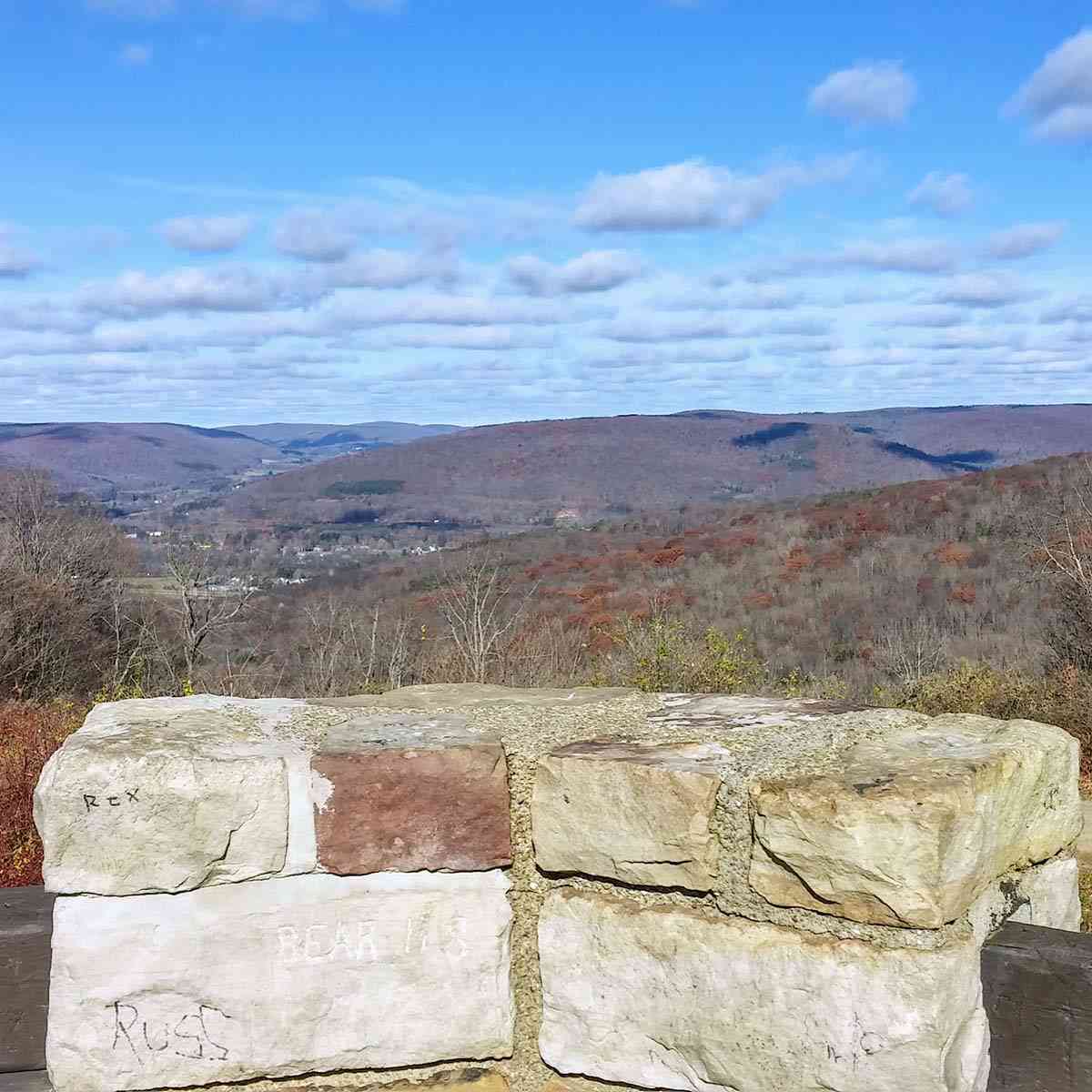
Park roads are part of the day here, not just a way to move between attractions. Allow more time than the map suggests, watch for wildlife, and use designated pull-offs rather than stopping in the travel lane. Seasonal roads and individual attractions may close due to weather or maintenance, so check the current park map and alerts before planning your route.
Find the Summit Fire Tower
The Summit Fire Tower is a distinct landmark from the Stone Tower. The restored 1926 fire tower stands on one of the highest peaks in the Red House Area, near the Art Roscoe trail network, accessible from the Summit entrance. New York State Parks sometimes offers summer weekend tours that allow visitors to climb the tower for a view of the surrounding forest.
Access depends on staffing, weather, and the current program schedule, so confirm tour details before planning a climb. The fire tower and Art Roscoe trails are better suited to another day trip than to an extra stop on the Red House–Thunder Rocks itinerary.
Hike Through Forest and Rock
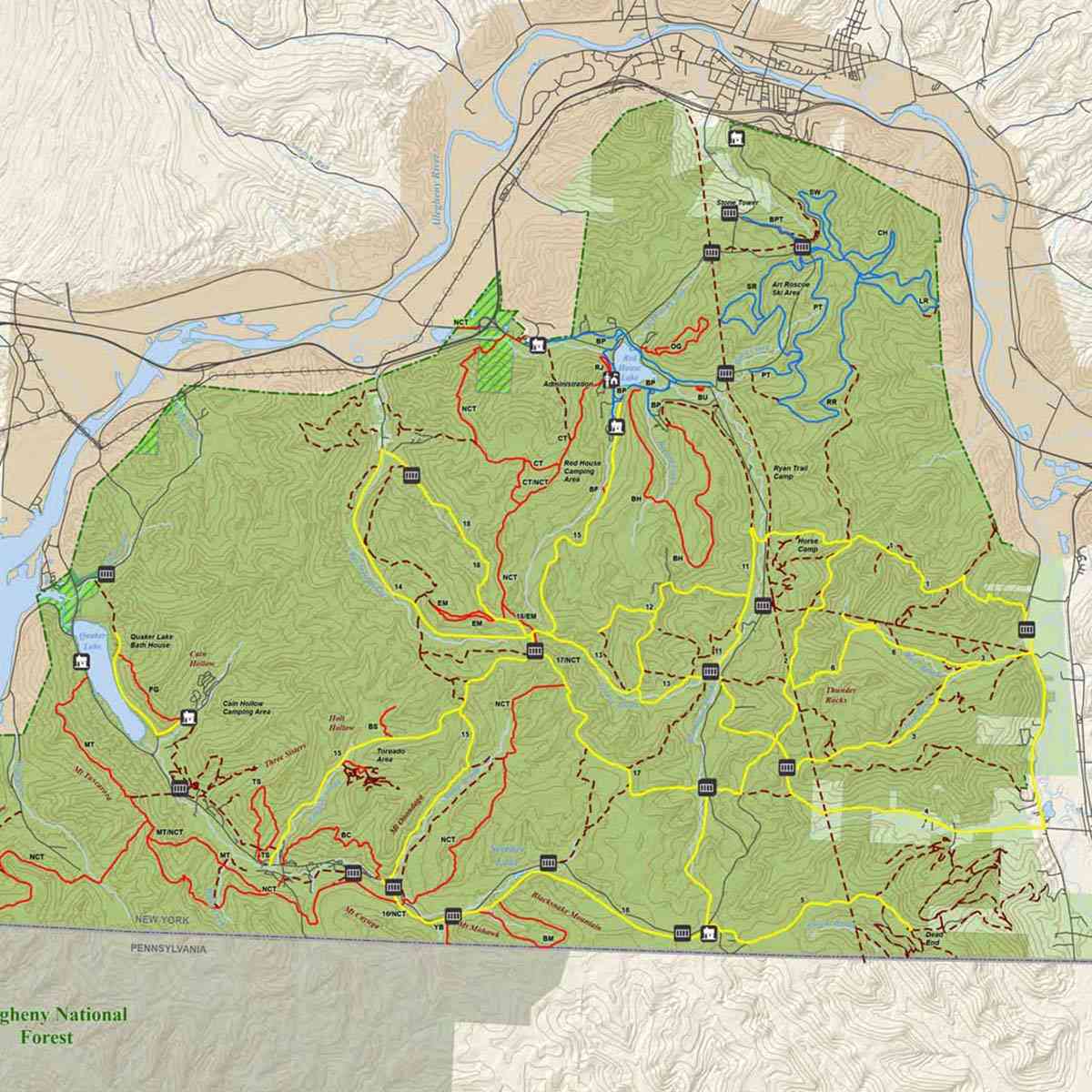
Allegany has trails ranging from short nature walks to long backcountry routes. Choose based on distance, elevation, and current conditions rather than trying to pick one “best” hike.
Bear Caves–Mount Seneca Trail passes through a mature forest to cave-like openings formed by fractures and movement in the bedrock. Despite the name, these damp rock openings are not preferred bear dens. The trail is a better choice for a return visit than for adding to a full Red House–Thunder Rocks day.
Other options include the short Red Jacket Trail near Red House, the Bridal Falls Trail, the Three Sisters Trail, and longer routes through the park’s extensive forest. More than 20 miles of the North Country National Scenic Trail also pass through Allegany. Mountain biking routes include the Art Roscoe trail network near the Summit Area, while the paved Red House path offers a gentler ride.
Download the official Allegany State Park trail map before leaving home and check for current closures. Trail surfaces may include roots, rocks, mud, steep grades, and wet leaves. Cell service can vary across a park this large, so do not rely on a live map as your only wayfinding tool.
Rochester, delivered
A weekly Substack newsletter, with periodic essays exploring behind-the-scenes work and reflections on traveling close to home. While the content is free, paid subscriptions support my ongoing research and writing.
Spend a Day in the Quaker Area

The Quaker Area deserves its own day. Quaker Lake anchors the developed recreation area, offering a sandy swimming beach, fishing piers, picnic grounds, paddling access, and nearby trailheads. The restored Quaker Store now serves as a park museum featuring exhibits on Allegany’s history as the “Wilderness Playground of Western New York.”
A relaxed summer visit could center on the beach and picnic grounds, with time for the museum and a short walk. Anglers and paddlers can instead build the day around the water. Friend’s Boat Launch provides access to the Allegany Reservoir; review New York State boating requirements and current launch conditions before bringing a watercraft.
Splitting Red House and Quaker into two visits gives each area adequate time. Driving between them just to check both off a list leaves less time to notice the lakes, forests, historic structures, and wildlife that distinguish the park.
Return for Fall Color
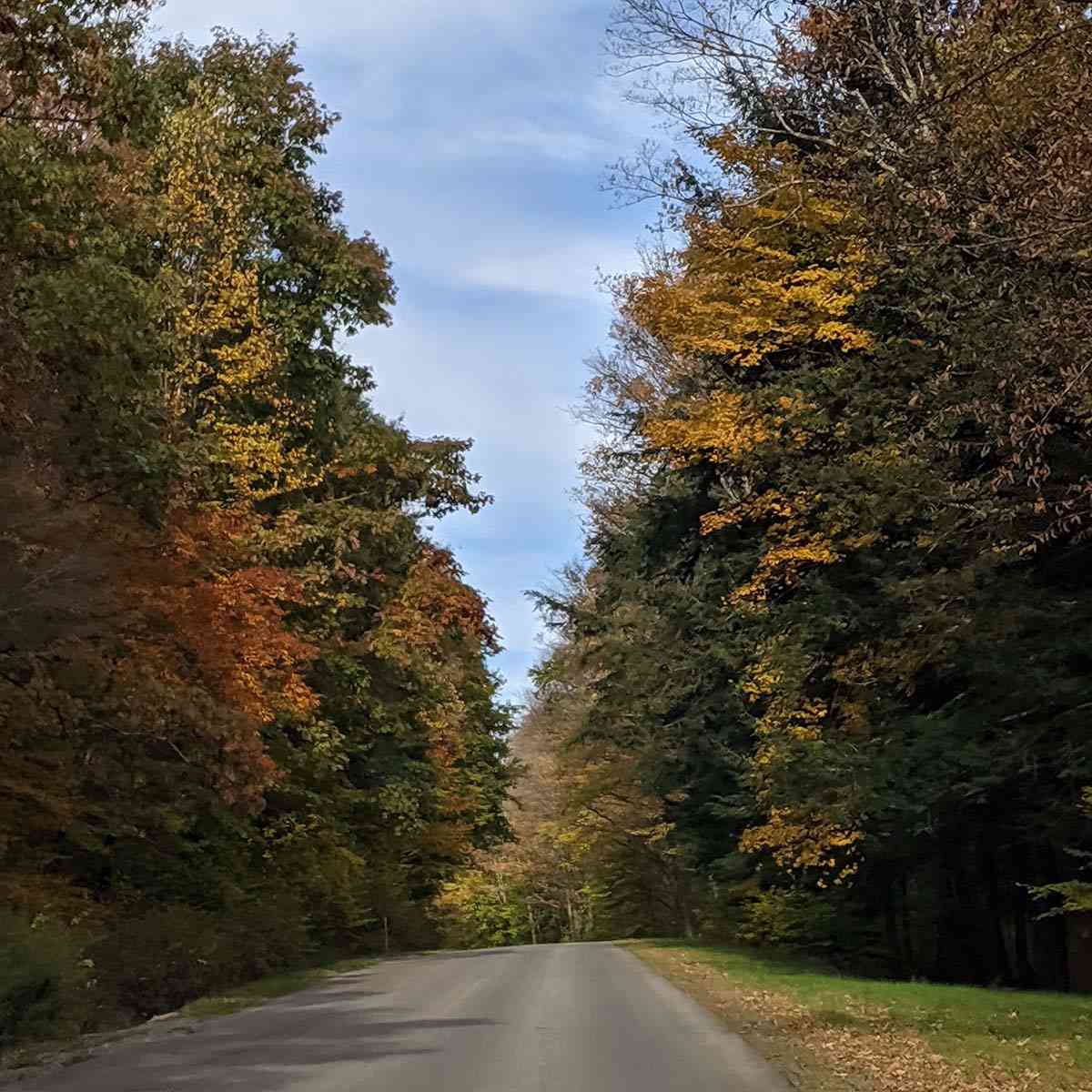
Allegany’s elevation means foliage often begins changing before it does in Rochester and in lower areas near the lakes. Timing still varies with temperature, rainfall, wind, elevation, and tree species, so use the weekly New York fall foliage report as a general guide rather than a guarantee of peak color.
On an autumn day, combine the Stone Tower and roadside vistas with a walk around Red House Lake or a forest trail suited to the day’s conditions. Reflections on the lake, long views across wooded ridges, and light filtering through the canopy create very different perspectives during the same visit. Fallen leaves can hide roots and make rock surfaces slippery; shorter daylight also makes a conservative turnaround time important.
A First-Day Itinerary

Treat this as a starting point and adjust it to the season, weather, and how much walking you plan to do.
- Arrive in the Red House Area in the morning and begin at the Administration Building and natural history museum.
- Walk or bike part of the Red House Lake loop. In summer, allow extra time for the beach or a boat rental.
- Eat a picnic lunch near the lake.
- Drive to Thunder Rocks and explore the boulder passages on foot.
- Stop at the Stone Tower and one or two designated roadside overlooks.
- Leave the park by late afternoon and drive north to Ellicottville for dinner.
This route keeps the day manageable while introducing the park’s lake, forest, geology, recreational opportunities, and long views. Save Quaker, Bear Caves, a longer hike, or the Art Roscoe trails for another trip.
End the Day in Ellicottville

Ellicottville makes an easy dinner stop after a day in the Red House Area. The compact village center has restaurants, cafés, breweries, and shops along Washington and Monroe Streets, giving you several options within a short walk once you park.
Because hours and reservations can change—and festival weekends can be especially busy—choose a restaurant and check its schedule before your trip. The Ellicottville restaurant directory is a useful, up-to-date starting point, and the Day Trips Around Rochester guide to exploring Ellicottville can help you plan a separate visit.
Plan Your Visit
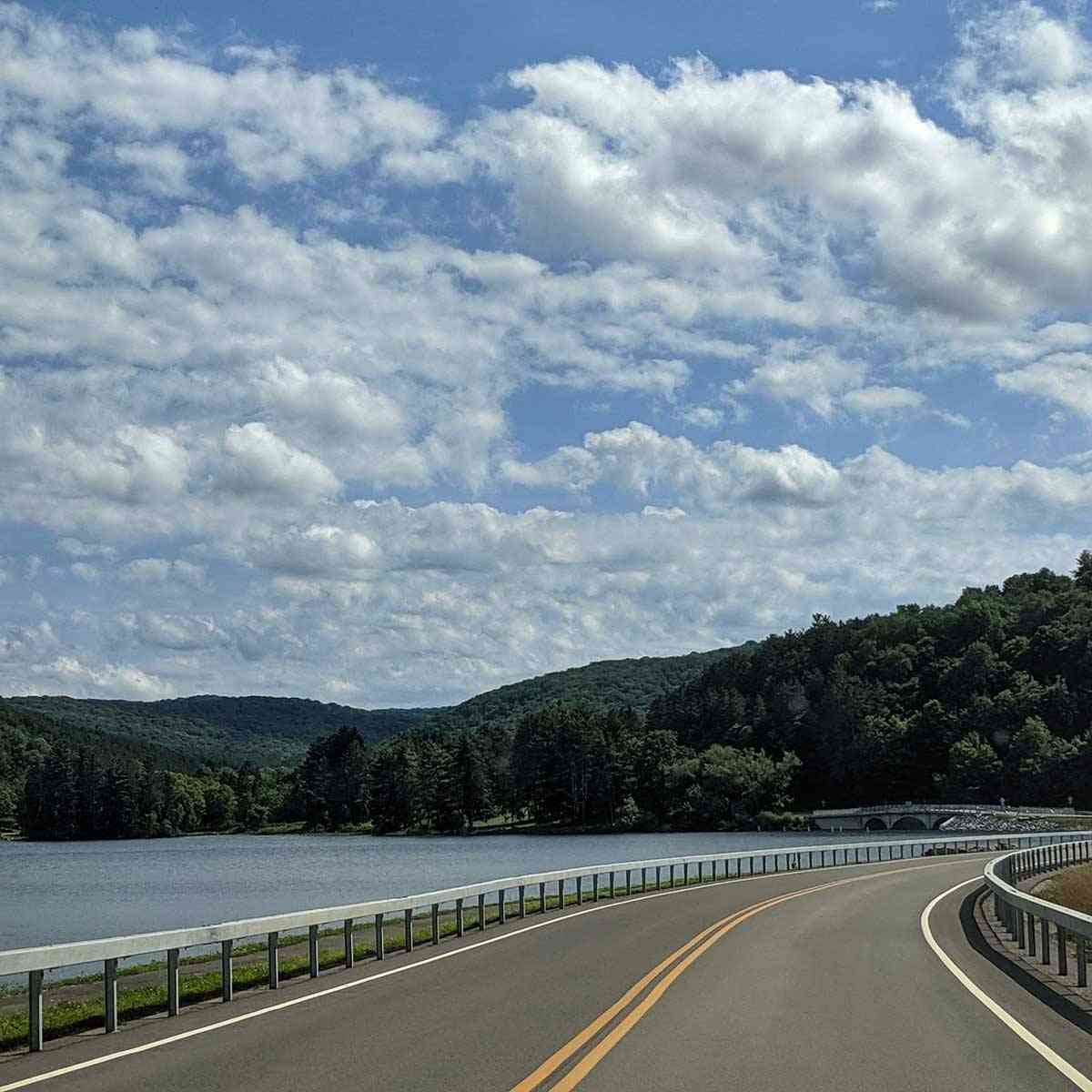
Location: 2373 ASP Route 1, Salamanca, New York 14779
Drive from Rochester: Allow about two hours each way, depending on your entrance, route, and traffic conditions.
Park layout: Red House is reached via exits 19 and 21 on I-86; Quaker is reached via exit 18.
Hours: The park is open year-round, but beaches, museums, rentals, seasonal roads, and staffed facilities operate on separate schedules. This guide focuses on daytime visits during summer and fall.
Admission: New York State Parks currently charges a $7 vehicle-use fee on specified days and during certain seasons. The Empire Pass is accepted. Confirm current collection dates and fees before visiting.
Swimming: Swim only when the guarded beaches are open. Dates, hours, and water-quality conditions may change.
Pets: A maximum of two pets is generally allowed in campsites and day-use areas. Pets must be supervised and leashed to no more than six feet; proof of rabies vaccination may be requested. Pets are not permitted in buildings, playgrounds, or guarded beach areas. Review current park rules before bringing a pet.
Wildlife: Black bears live in the park. Never feed or approach wildlife. Keep food, coolers, and scented items secure and out of sight.
Before you go: Review the official pages for the Red House Area and the Quaker Area for alerts, maps, swimming conditions, fees, and seasonal hours.
Allegany State Park rewards repeat visits. One day may focus on Red House and Thunder Rocks, another on Quaker Lake, and another on a forest trail or a fall drive. Thinking of the park as a collection of day trips turns its vastness into an invitation rather than a planning problem.
Fun fact: At 65,000 acres, Allegany is the largest park in New York’s State Park System. The Adirondack Park is far larger—about six million acres—but it is a region of public and private land, including towns, homes, farms, and businesses, rather than a single state park.
Explore More

Western New York’s Top 4 Rock Cities—All Easy Day Trips from Rochester
Discover four rock cities near Rochester, where moss-draped boulders, narrow canyons, and panoramic trails await.

Explore Ellicottville
Ellicottville offers the perfect combination of outdoor adventures, boutique shopping, craft beverages, and delicious dining.
Autumn in Rochester
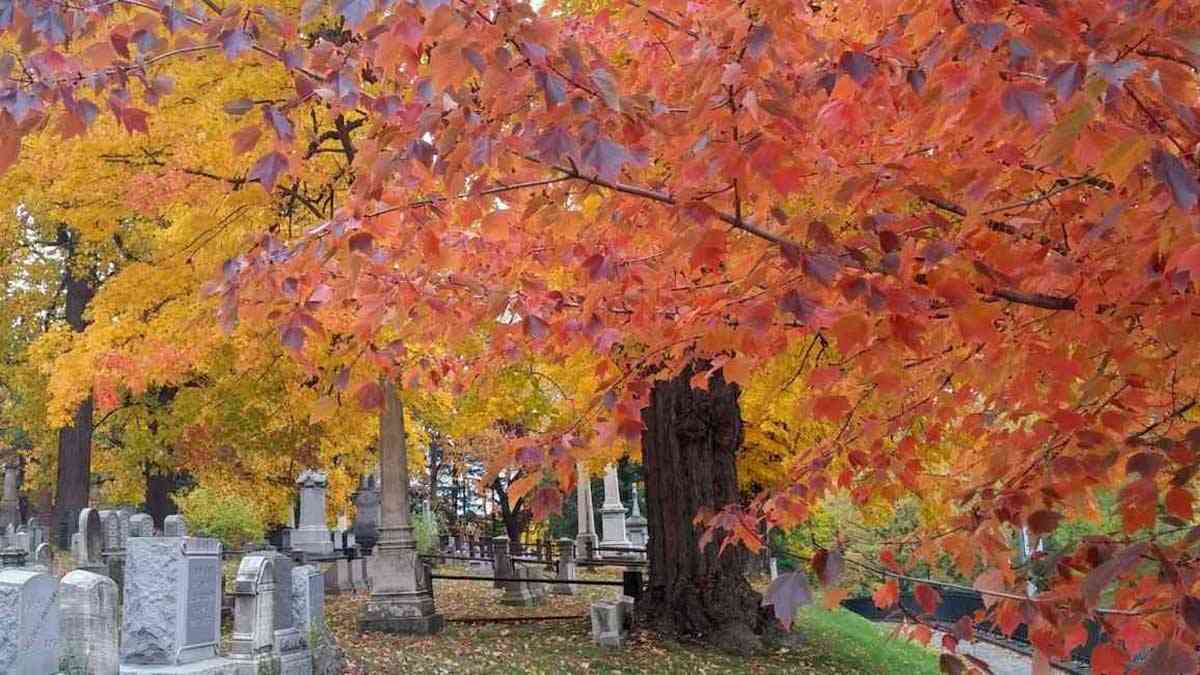
Scenic train rides, leaf-peeping, bird migrations, and ghost walks happen only in autumn in Rochester—take advantage of them while you can!
When is your favorite time to visit Allegany State Park?
I’d love to hear from you—please reach out and share your thoughts and experiences.


Help Support My Work
If my work has helped you explore and appreciate the Rochester area, please consider subscribing to Substack as a paid member. You’ll receive an email whenever I publish new content and can connect with a growing community of local explorers.
See you out there!
Debi
Enjoy the Journey Together!


