
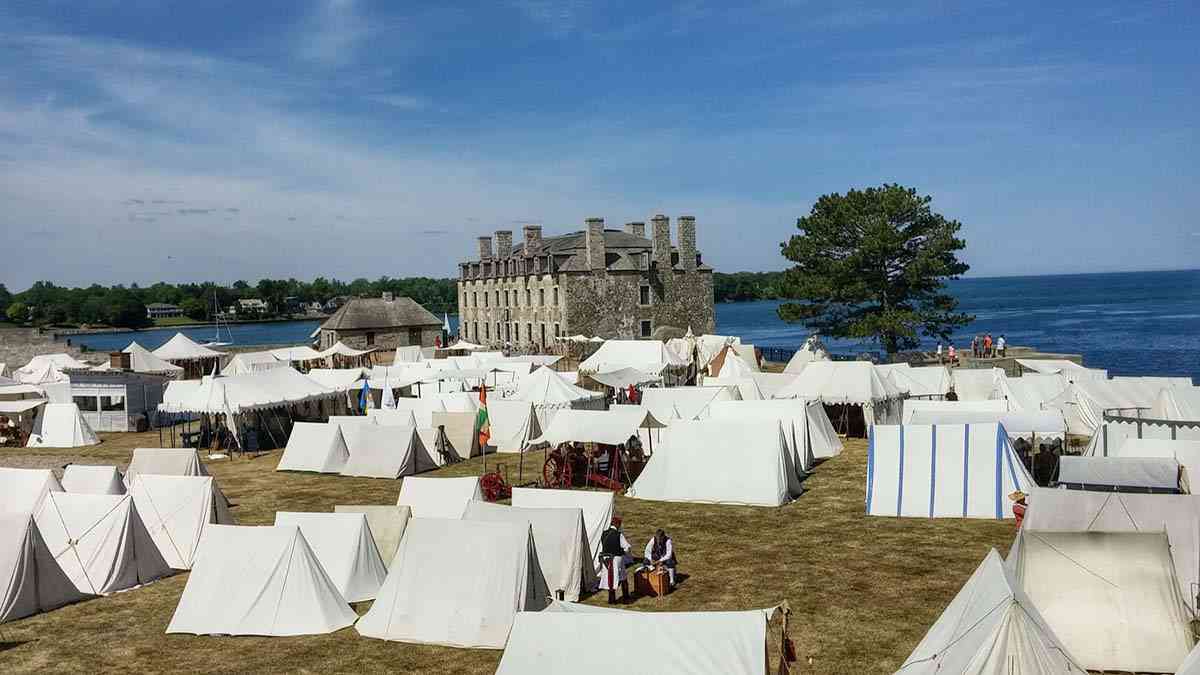
Old Fort Niagara stands where the Niagara River meets Lake Ontario, a strategic location that helped control access to the Great Lakes and the interior of North America. French, British, and American forces occupied the site at different points in its complex history.
The fort is adjacent to Fort Niagara State Park, where you’ll find hiking trails, picnic areas, a seasonal swimming pool and nature center, and views across Lake Ontario—including Toronto’s skyline on a clear day. Before your visit, you may want to read more about the fort’s history.
Fort Niagara State Park

Old Fort Niagara State Historic Site is adjacent to Fort Niagara State Park. The fort charges admission, and the state park may collect a seasonal vehicle-use fee. If you pay to park, bring your receipt to the fort’s admissions desk to receive a credit toward your admission ticket.
The state park offers hiking trails, picnic grounds, playgrounds, fishing, a boat launch, a seasonal swimming pool, and a nature center. In winter, visitors can cross-country ski, snowshoe, and sled. Hours, fees, and seasonal amenities can change, so check the state park website before your visit.

Old Fort Niagara Visitor Center

Begin your visit at the Visitor Center, where introductory exhibits and an orientation film provide context for the fort’s history. The museum collection includes original artifacts, including the fort’s War of 1812 garrison flag.
From the Visitor Center, a walkway leads to the historic fortifications and original buildings. Daily living-history programs vary by season and may include historic weapons demonstrations, military music, and presentations about Native American history and the experiences of women connected with the army.
The French Castle


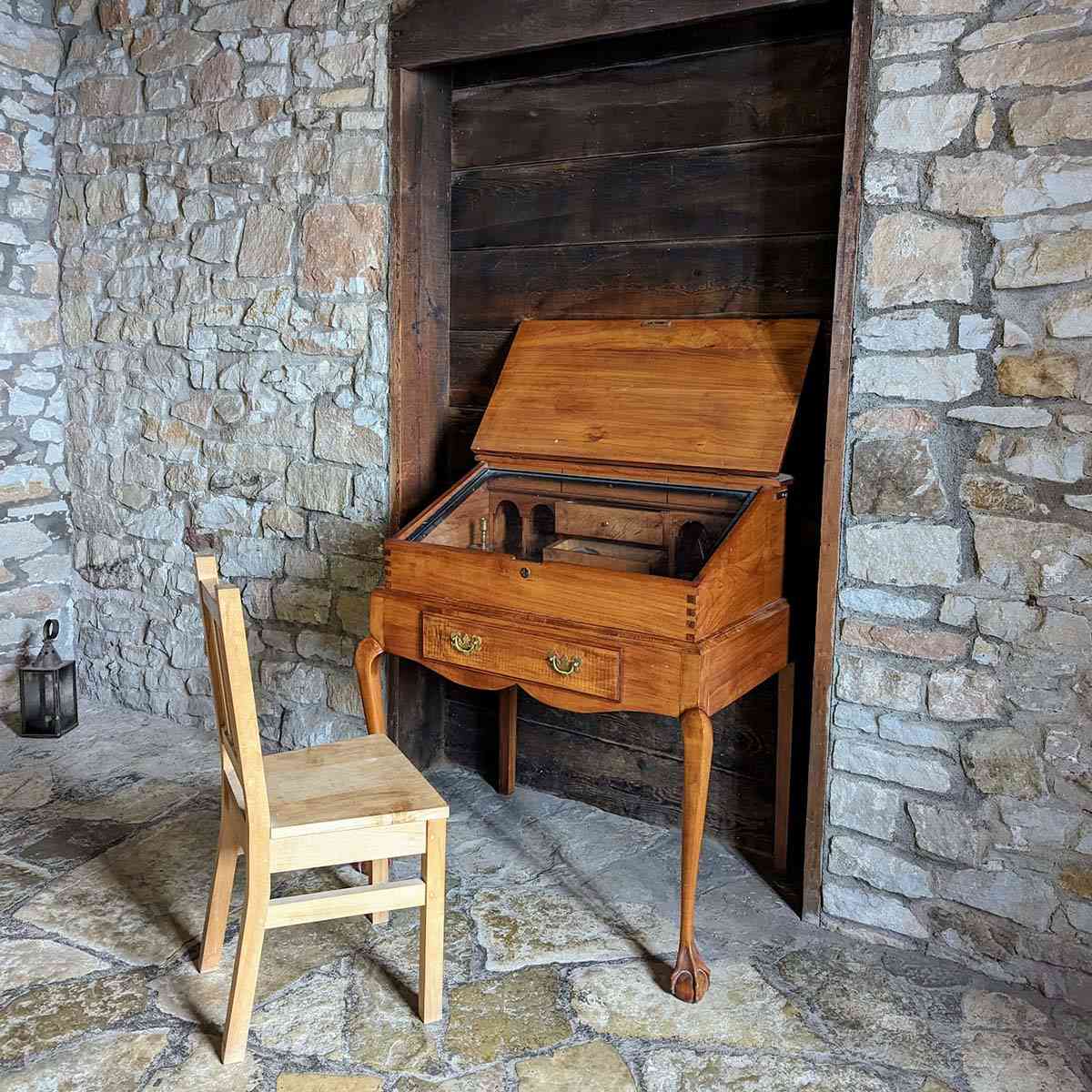

Built by the French in 1726, the French Castle is the oldest surviving building in the Great Lakes region. Originally known as the Maison à Machicoulis, the substantial stone building housed soldiers and supported French trade and diplomacy at this strategically important location.
Several original 18th-century buildings remain within the fortifications. Furnished rooms and living-history programs offer a look at military and domestic life during the French, British, and American occupations.
Some buildings have narrow stairways, upper floors, and uneven surfaces. From the towers and elevated areas, you can look across the fort, the Niagara River, and Lake Ontario.
Battle Reenactments
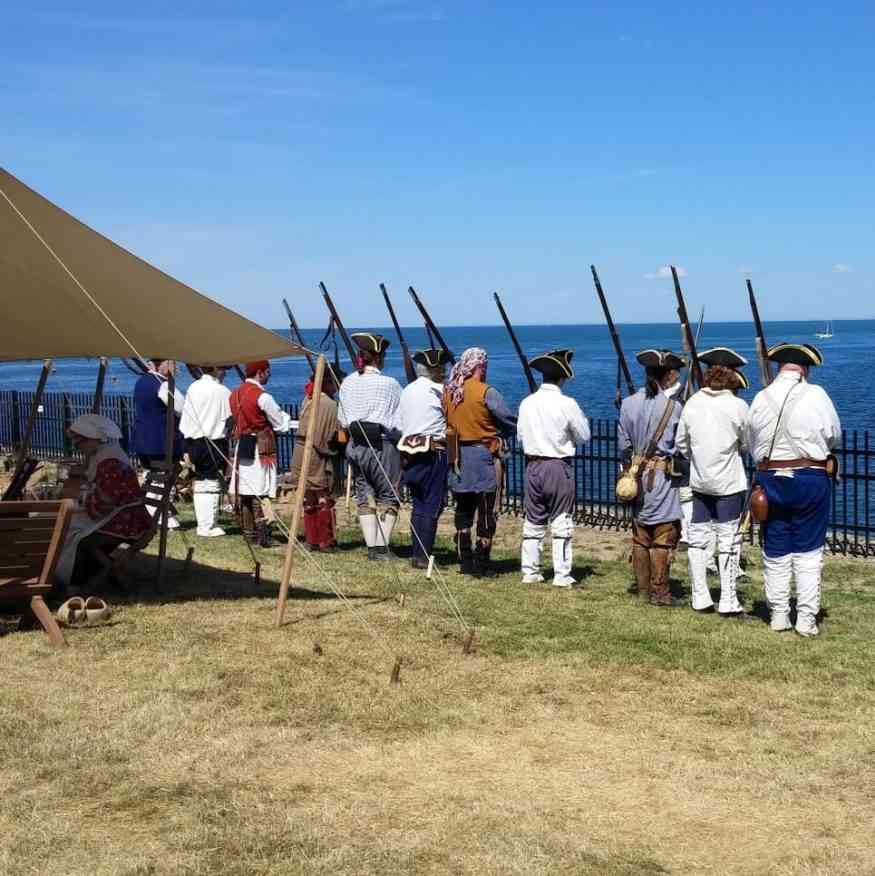
The organizers of battle reenactments center their events on various wars, such as the Revolutionary War, the French and Indian War, the Civil War, and Soldiering through the Ages. To keep up with their events, I follow them on Facebook. During major events, they provide guided tours to the battlefields where the reenactments are held.
Fort Niagara served as a vital stronghold for 300 years during several significant wars, including the French and Indian Wars, the War of 1812, the American Revolutionary War, and the American Civil War. As a result, the historical reenactments could depict battles between France and England or between England and the United States.
Rochester, delivered
A weekly Substack newsletter, with periodic essays exploring behind-the-scenes work and reflections on traveling close to home. While the content is free, paid subscriptions support my ongoing research and writing.
Living-History Programs and Special Events
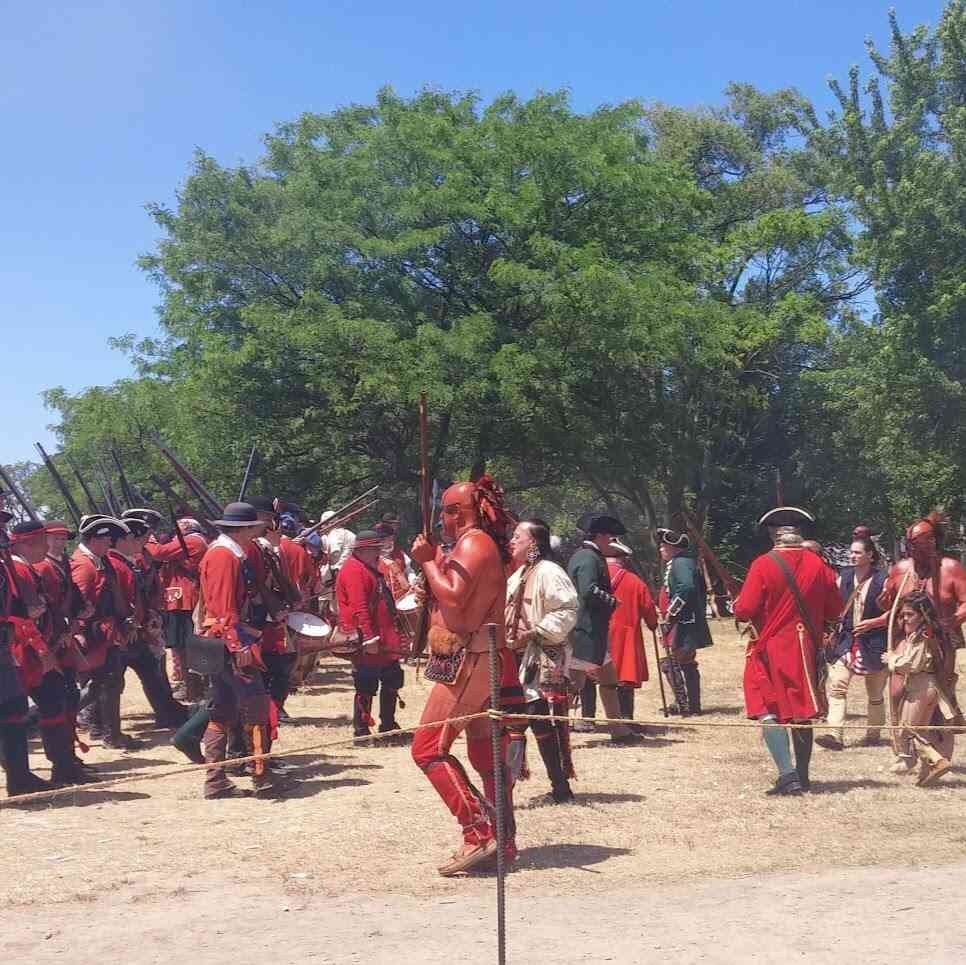


Old Fort Niagara offers living-history programs throughout the year. Larger special events may bring together reenactors representing the French and Indian War, the American Revolution, the War of 1812, and other periods in the site’s military history.
The schedule changes each year, so check Old Fort Niagara’s special-events calendar before planning your visit. Special-event admission may differ from the fort’s regular admission price.
During battle reenactments, the walkway between the Visitor Center and the fort may be closed. Depending on the event, you may be able to watch from an embankment inside the fort or from an area near the Visitor Center.
When I visited during Independence Day weekend, I chose to observe the battle from the Visitor Center side. We were near the restrooms, drinking fountain, and air-conditioned building—and close to the reenactors portraying soldiers and Native American allies helping the British take the fort from the French during the 1759 siege.
Old Fort Niagara Lighthouse

Built in 1872, the lighthouse stands near the mouth of the Niagara River. Check with Old Fort Niagara to learn whether lighthouse access or interpretation will be available during your visit.
More information about Old Fort Niagara
Cost: Admission fee. Special-event prices may vary. Fort Niagara State Park may also collect a seasonal vehicle-use fee, which can be credited toward admission to Old Fort Niagara when you present your parking receipt.
Location: Youngstown, roughly 90 minutes and 100 miles from Rochester. Get directions.
Hours and admission: Because hours vary by season, check the official Old Fort Niagara visitor information before leaving home.
More information: oldfortniagara.org
Old Fort Niagara is the northern endpoint of the seasonal Discover Niagara Shuttle Falls-to-Fort route, with Niagara Falls State Park at the southern end. Check the current operating dates and schedule when planning your trip.
Explore More

Top 10 Historical Field Trips Around Rochester, New York
Explore 10 historical field trips around Rochester, from Indigenous sites to abolition landmarks and innovation and engineering marvels.

Explore Lewiston
Ranked as one of the "Top Ten Small Towns," spend a day in Lewiston, with its excellent shops, restaurants, and Niagara River views.
Explore The Lake Ontario Seaway Trail
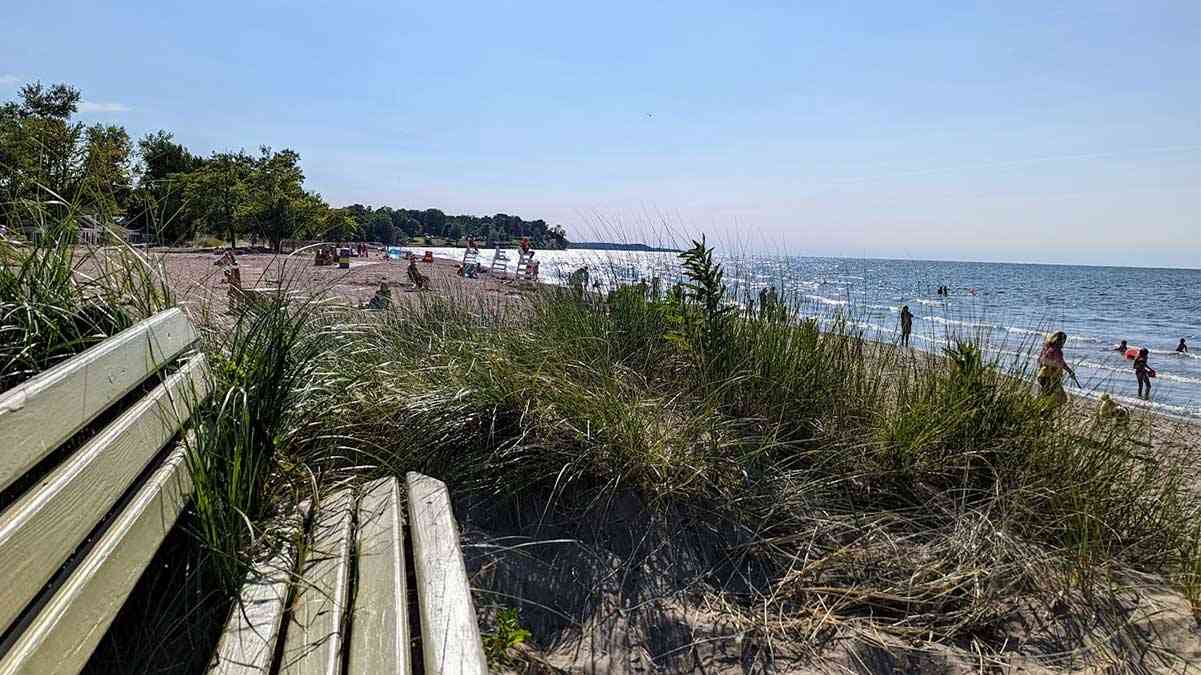
Explore the Lake Ontario Seaway Trail along the southern shoreline, from Fort Niagara in Youngstown to Fort Ontario in Oswego.

When is your favorite time to visit Old Fort Niagara?
I’d love to hear from you—please reach out and share your thoughts and experiences.


Help Support My Work
If my work has helped you explore and appreciate the Rochester area, please consider subscribing to Substack as a paid member. You’ll receive an email whenever I publish new content and can connect with a growing community of local explorers.
See you out there!
Debi
Enjoy the Journey Together!


