

The US Fish & Wildlife Service manages Iroquois National Wildlife Refuge, which, along with the adjoining Oak Orchard and Tonawanda Wildlife Management Areas, makes up the 20,000-acre Alabama Swamps Complex.
Start at the visitor center, which is open Tuesday through Saturday from 9 a.m. to 4 p.m. From there, you can take a leisurely walk on the accessible one-mile gravel Headquarters Nature Trail that winds through the meadow, showcasing a vibrant display of late-summer wildflowers. Throughout the refuge, you’ll find several overlooks and trails, including some with boardwalks that allow you to navigate the wetlands, such as the Swallow Hollow Trail.
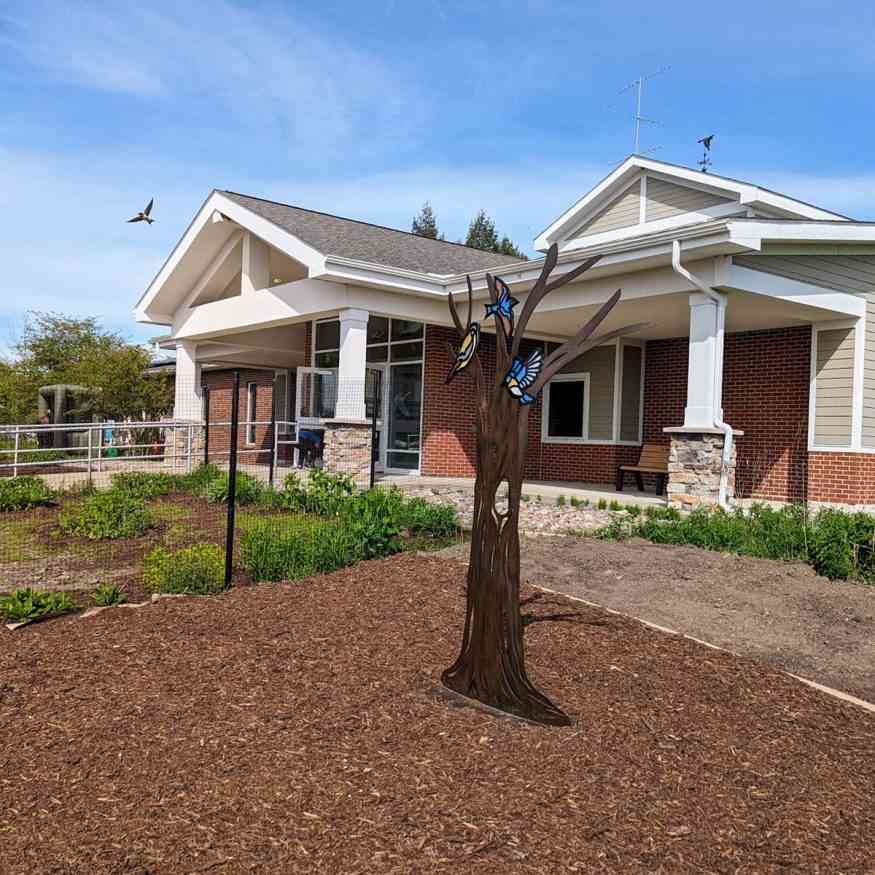
From the U.S. Fish & Wildlife Service website
“The 10,828-acre Iroquois National Wildlife Refuge lies within the rural towns of Alabama and Shelby midway between Rochester and Buffalo, New York. Part of what locals call the “Alabama Swamps,” the Refuge’s 6,000 acres of wetland host more than 100,000 Canada geese and 20,000 ducks and swans annually. More than 3,000 acres of bottomland hardwood and 1,800 acres of grasslands and shrublands support migratory and resident birds as well as other wildlife.”


Where to begin
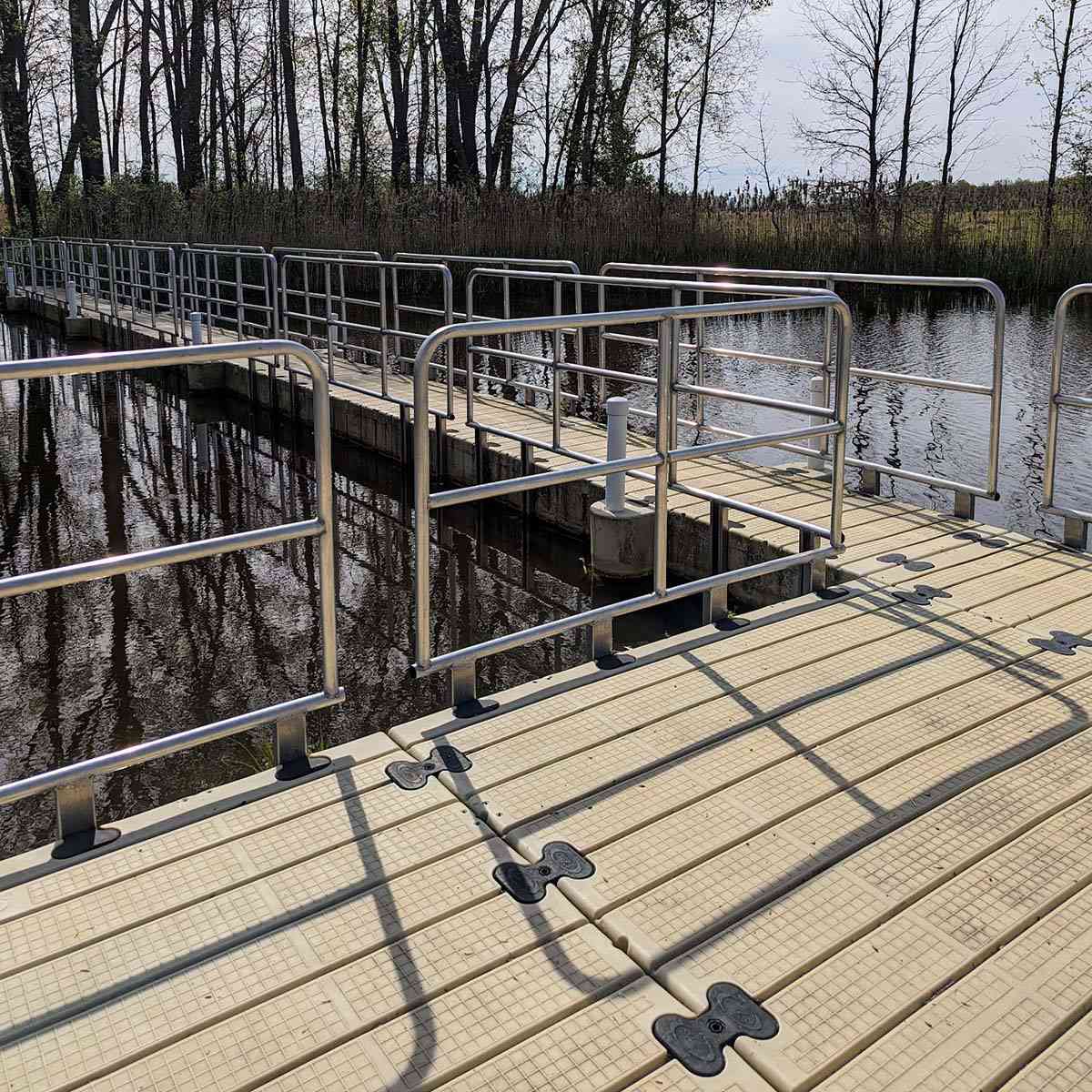
You can’t go wrong picking any overlook or trail to start exploring. Located on Knowlesville Road, my favorite place to start is the 1.3-mile Swallow Hollow Nature Loop trail. It offers ramps, gravel pathways, and boardwalks, making it accessible for all to enjoy this unique ecosystem.
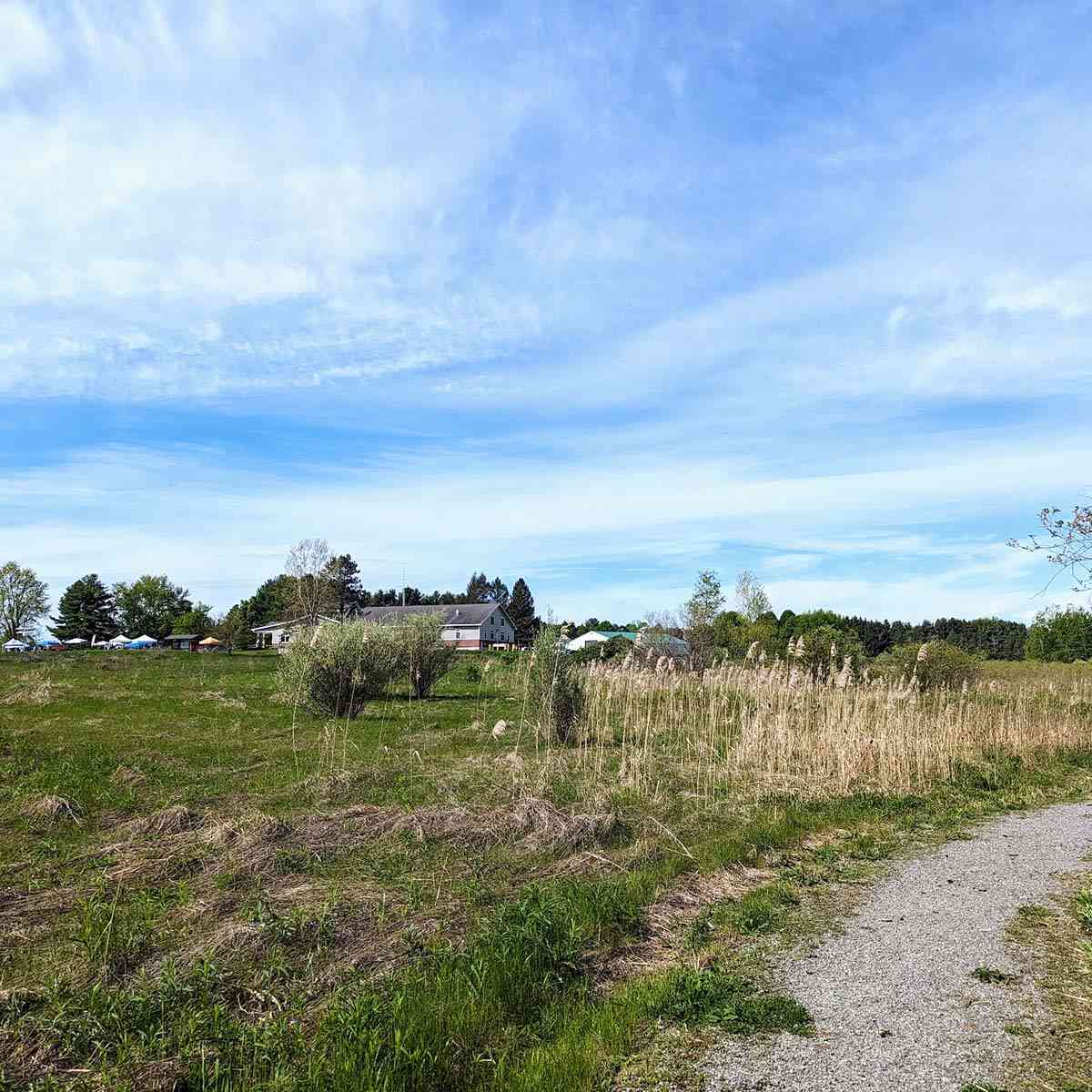
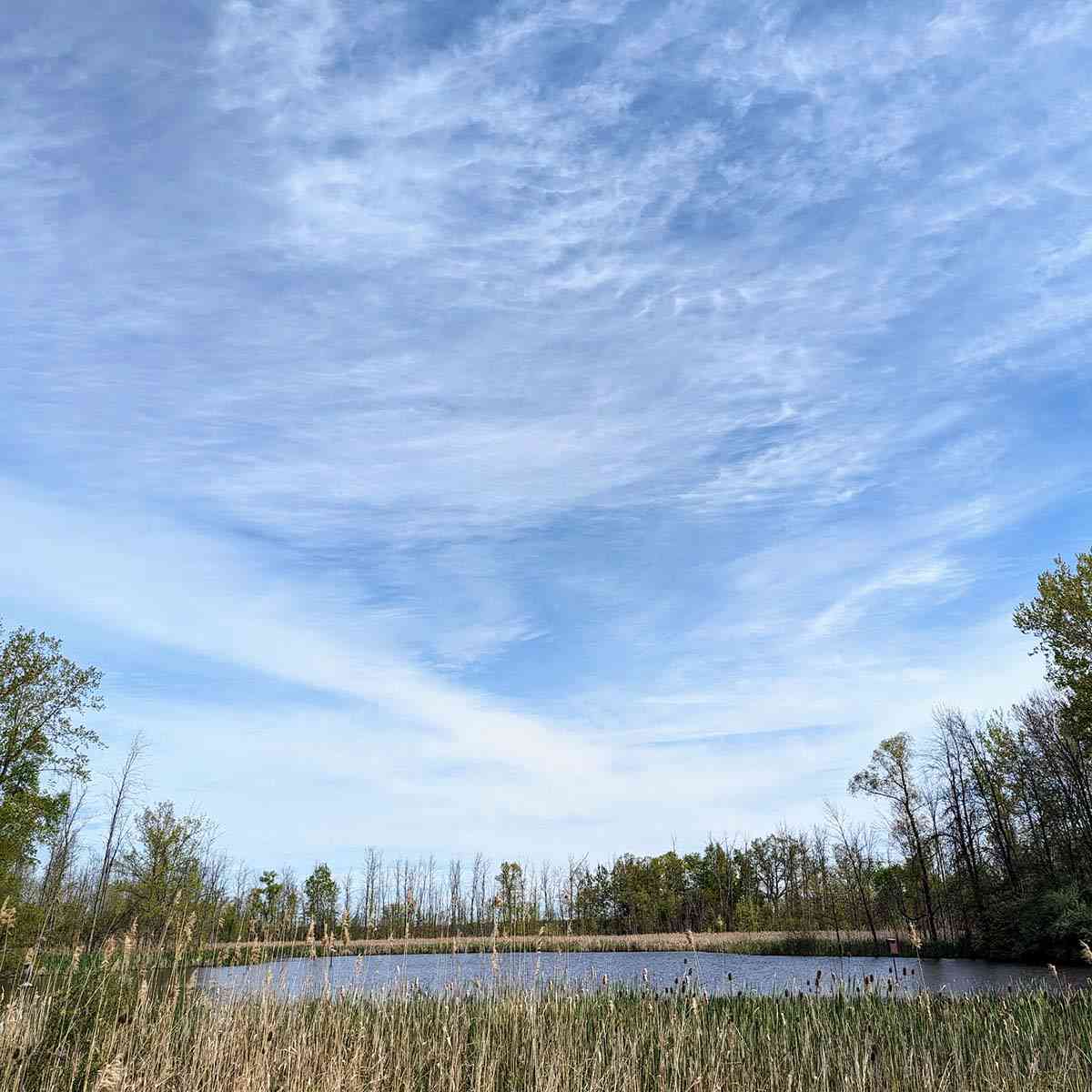

Next to the Visitor Center, the Headquarters Nature Trail, an easy one-mile loop, winds its way through grasslands, forested habitats, and marshland.


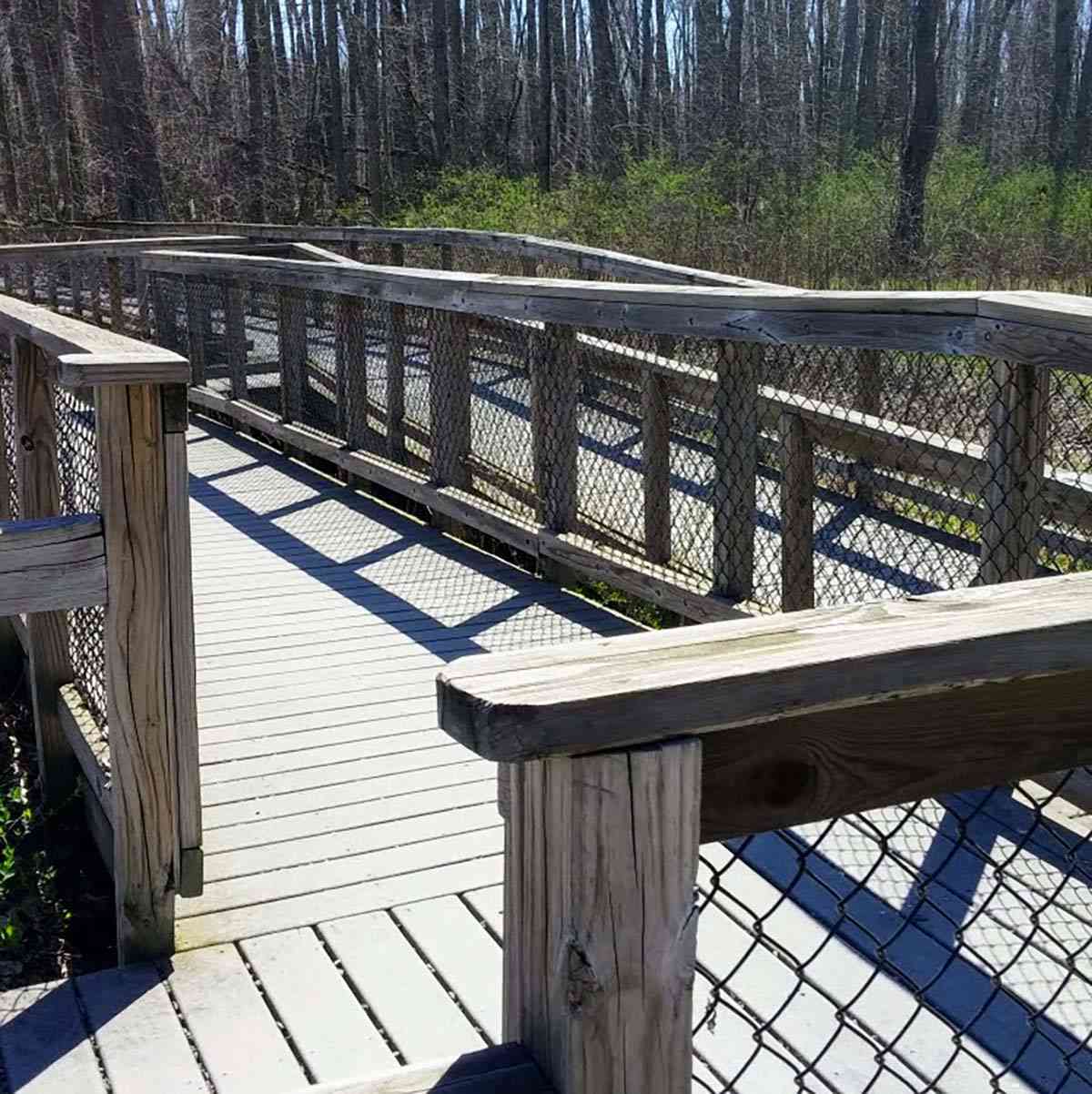
Swallow Hollow Nature Trail
More than half of the trail is an elevated boardwalk that connects to a gravel trail, guiding you through the diversity of evergreen plantations, marsh, and forested wetlands.
Interpretive panels along the way describe some of the marsh’s more common residents. This trail is one of the best spots on the refuge to find warblers in spring and summer.
Other birds include waterfowl, red-winged blackbirds, great blue herons, and pileated woodpeckers.


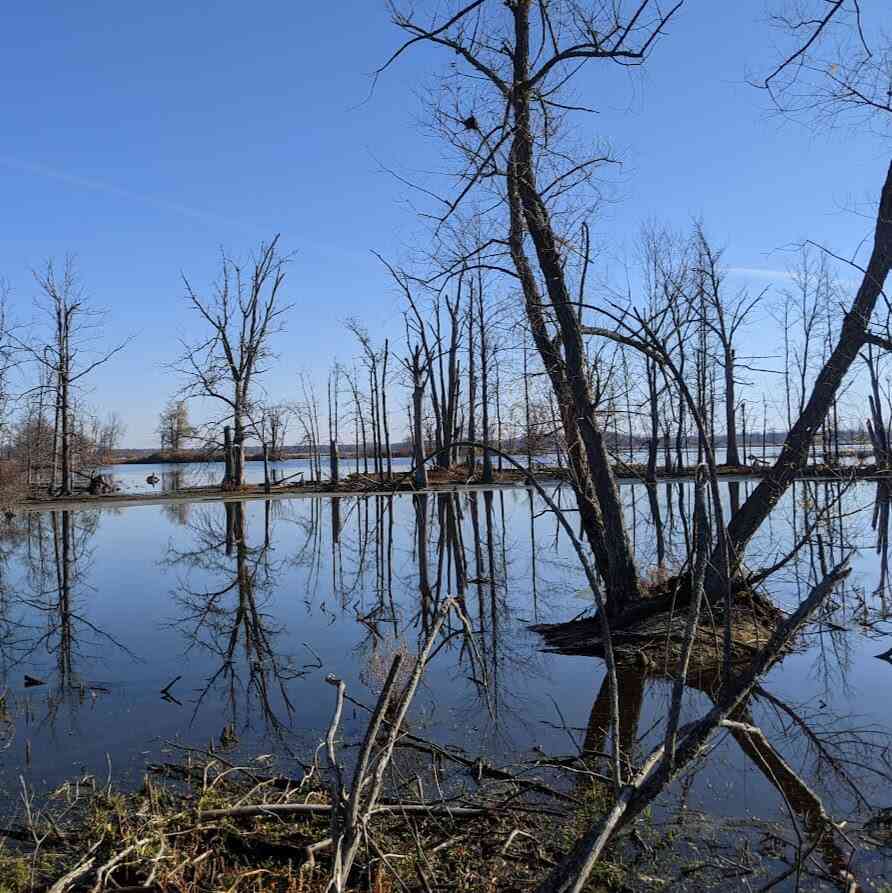
Kanyoo Nature Trail
Kanyoo is an Iroquois word meaning wildlife.
Excellent Mohawk Pool viewpoints are available from the small observation platform along the yellow loop and a boardwalk along the blue loop. The trail guides hikers through mixed forests and vernal wetlands.


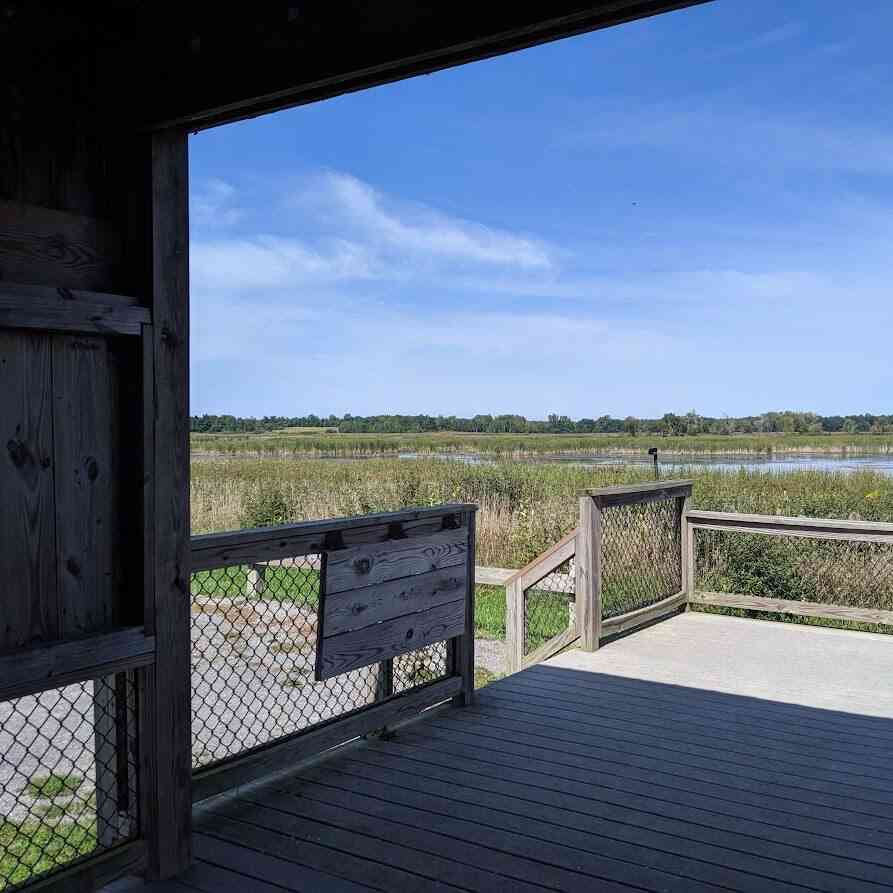

Overlooks and Observation Areas
To experience the refuge from afar, bring your binoculars to various parking areas with observation decks and blinds beside vast marshes. Overlooks include Cayuga Pool, Mallard, Ringneck Marsh, and Schoolhouse Marsh.
Rochester, delivered
A weekly Substack newsletter, with periodic essays exploring behind-the-scenes work and reflections on traveling close to home. While the content is free, paid subscriptions support my ongoing research and writing.

Feeder Road
Permitted between October 1 and the end of February, Feeder Road opens to vehicles after the fall migrations and before the spring migrations, remaining accessible to foot traffic year-round.

More information about Iroquois National Wildlife Refuge
Cost: Free
Located in Oakfield and Basom, roughly 1 hour / 50 miles from Rochester – get directions to the popular Swallow Hollow Trail
More information: fws.gov
Explore More
What are your favorite places to walk or observe wildlife in the Iroquois National Wildlife Refuge?
I’d love to hear from you—please reach out and share your thoughts and experiences.


Help Support My Work
If my work has helped you explore and appreciate the Rochester area, please consider subscribing to Substack as a paid member. You’ll receive an email whenever I publish new content and can connect with a growing community of local explorers.
See you out there!
Debi
Enjoy the Journey Together!


When is the peak spring migration time for snow and Canadian geese this spring of 2024 ?